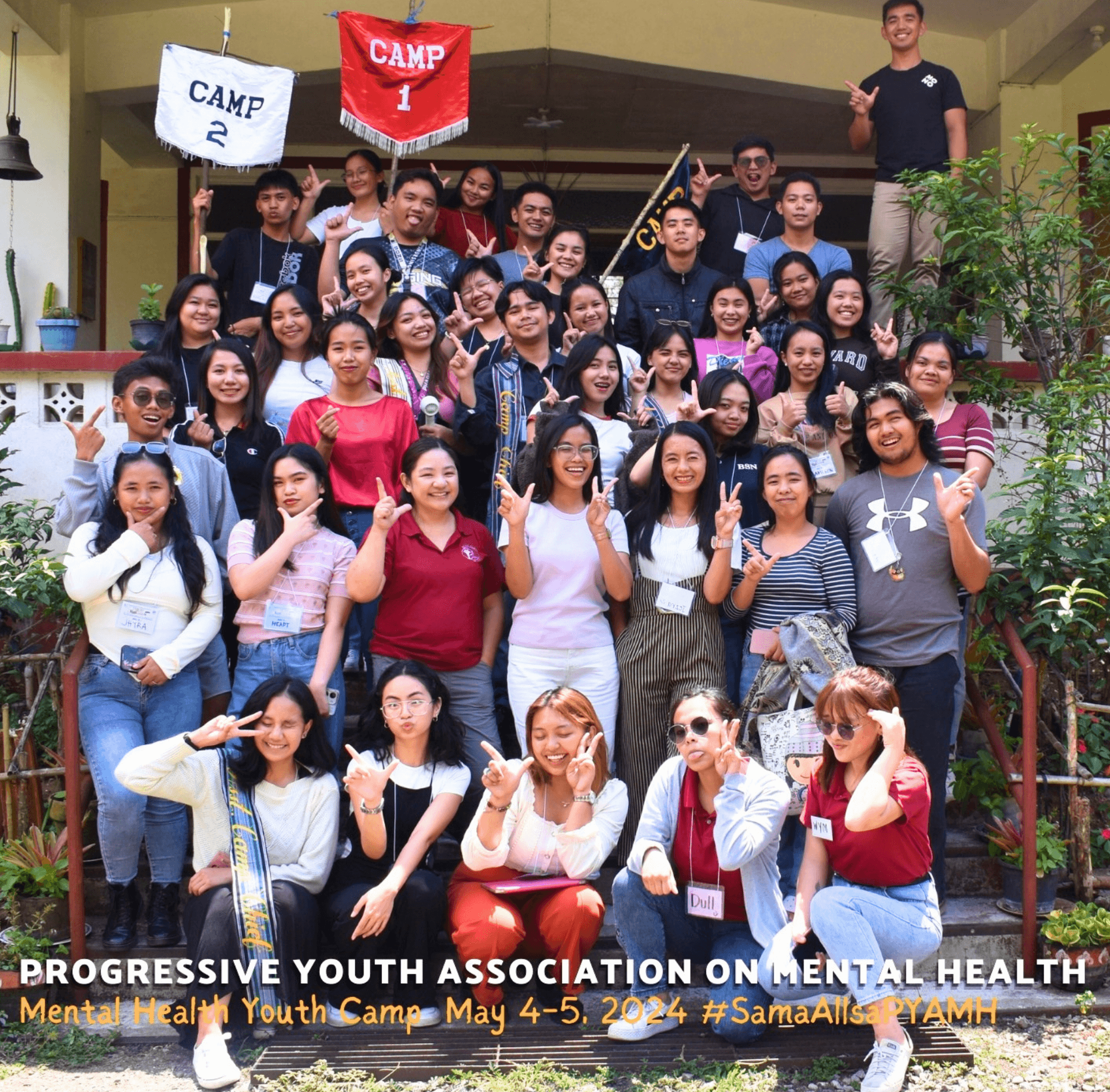
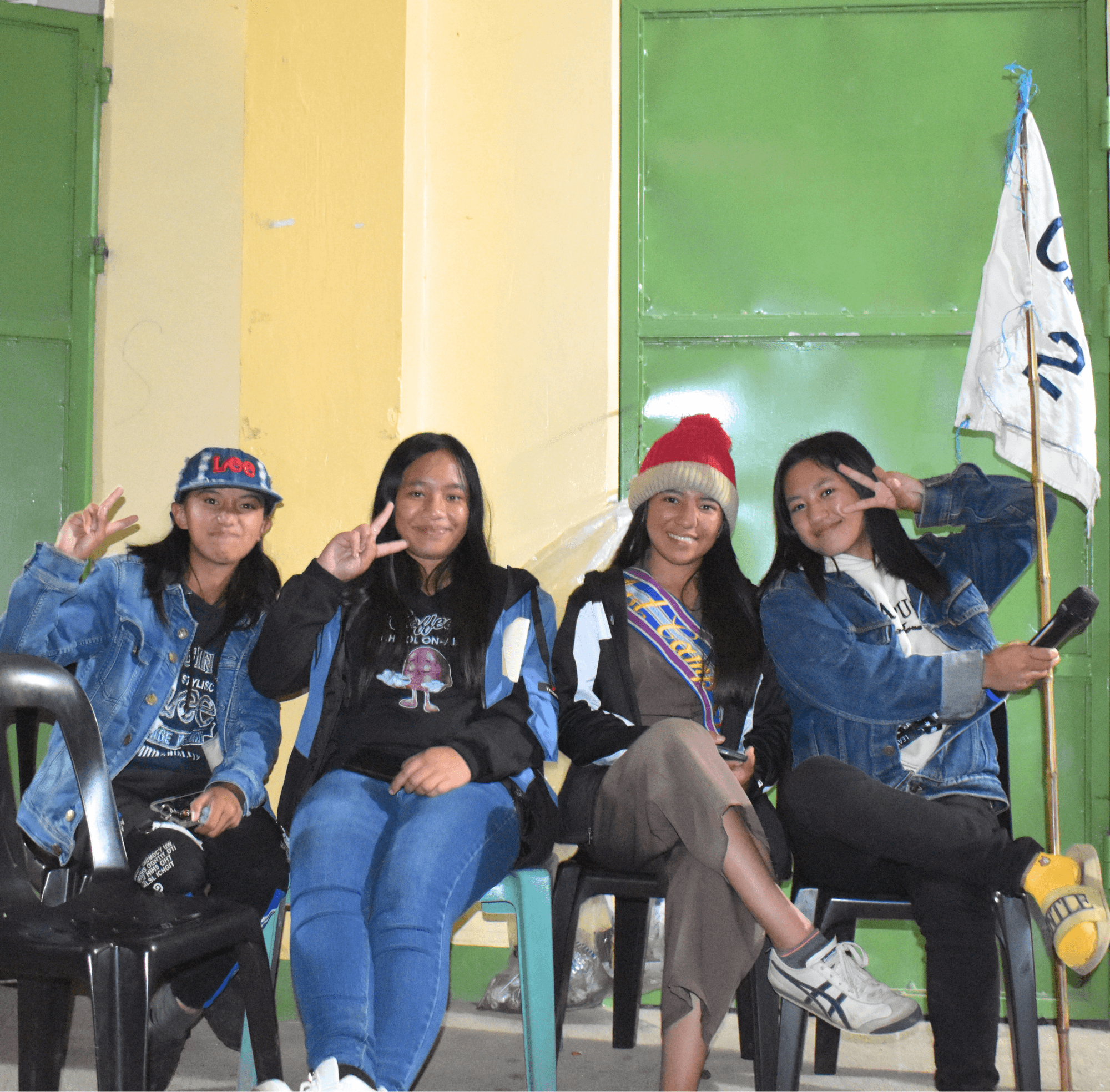
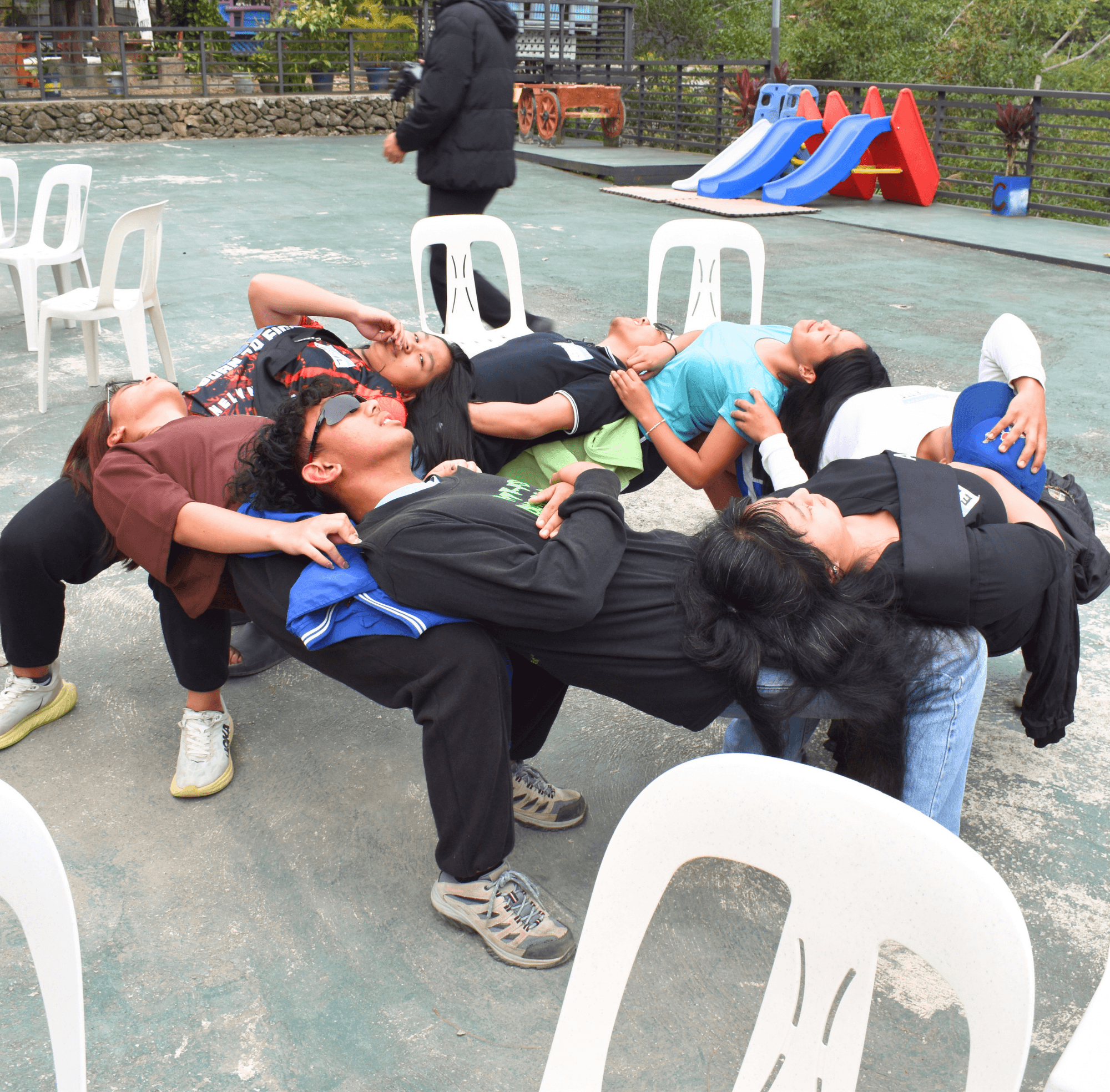
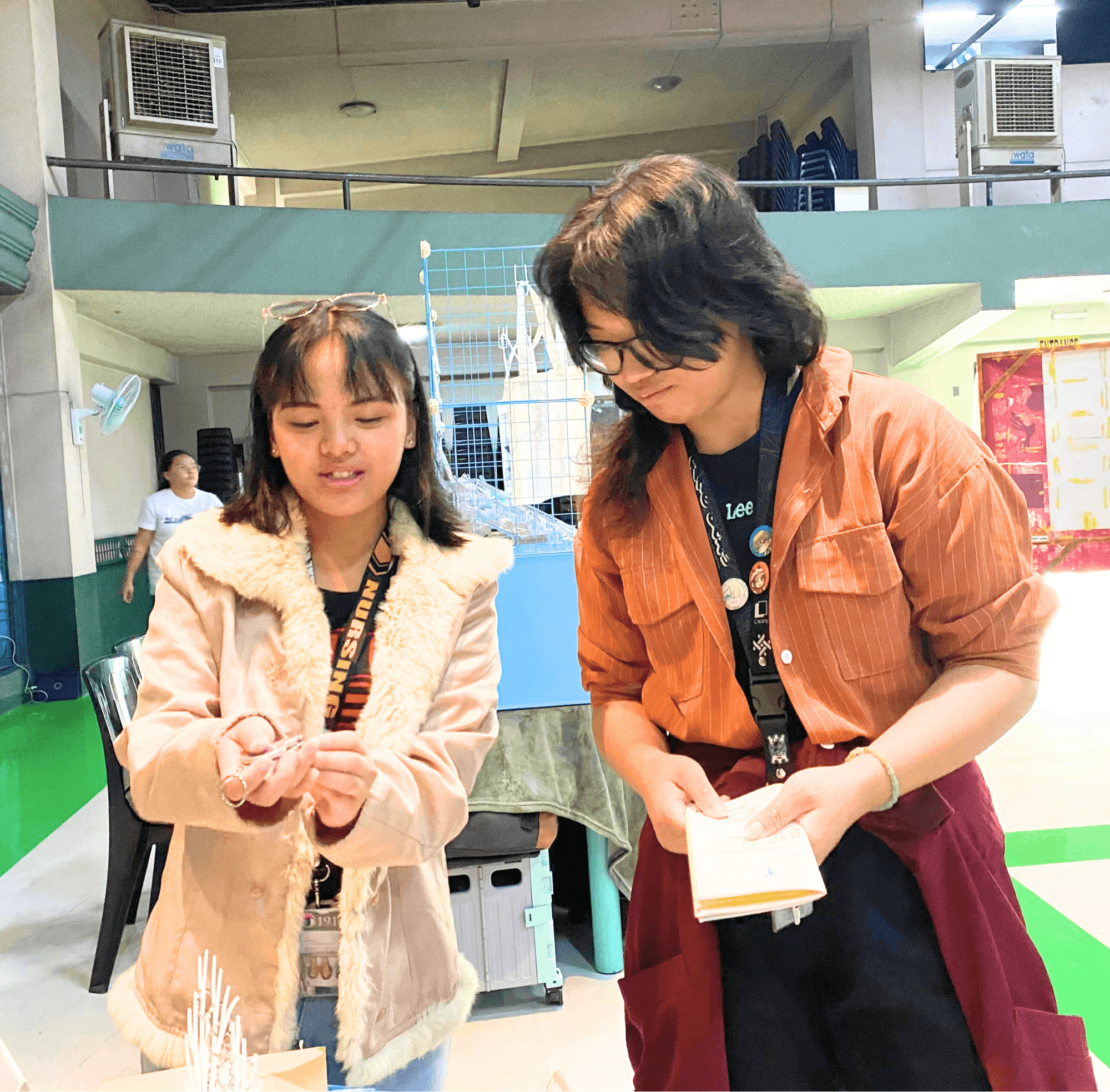
The primary program of the Association that implements the following advocacy programs:
A. Youth Life Skills Program (YLSP)
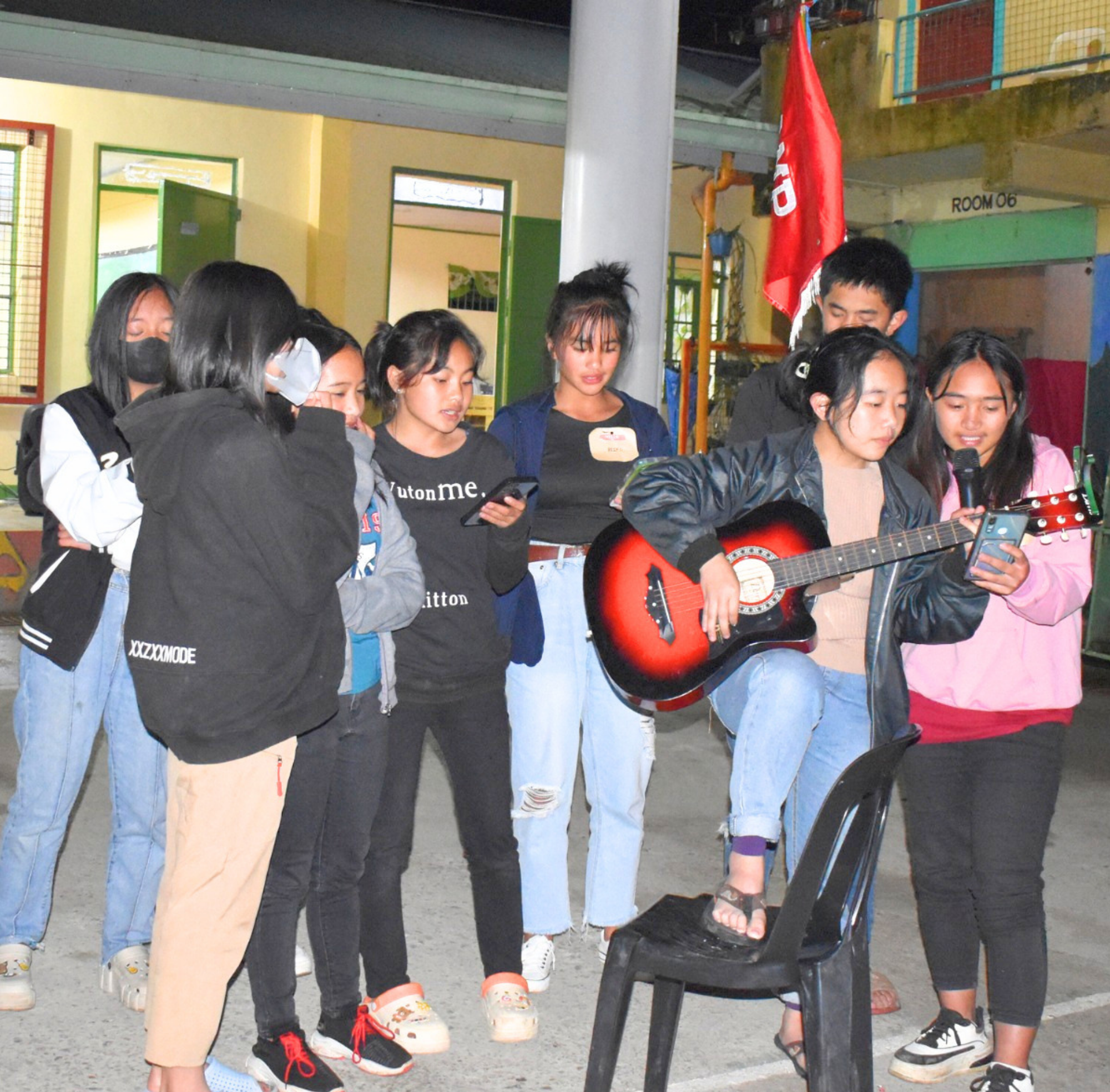
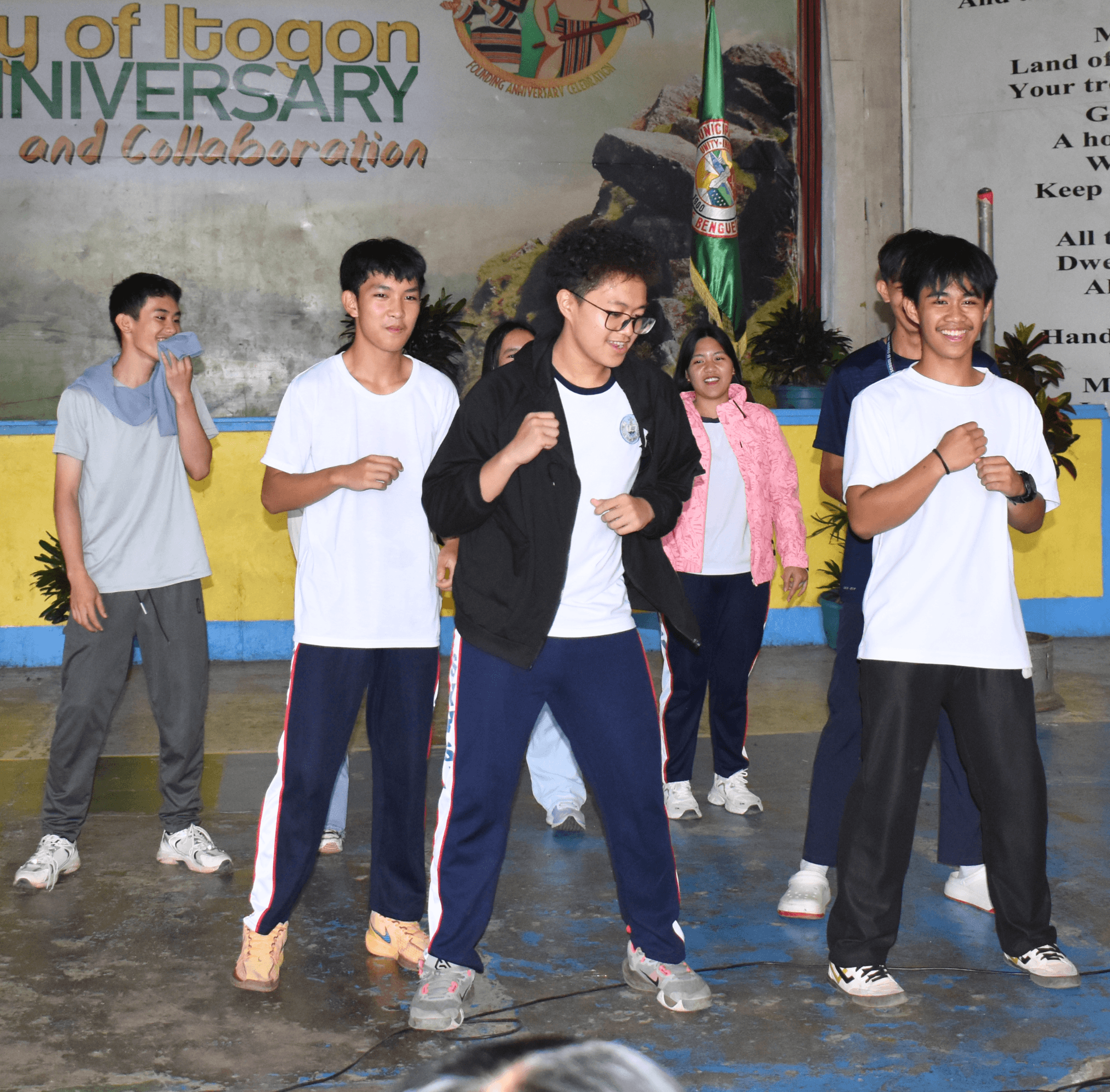
The Youth Life Skills Program (YLSP) focuses on developing emotionally resilient, socially responsible, and mentally aware young individuals who can become future leaders and advocates of mental health. This program provides structured training sessions, workshops, and school-based activities that help participants build essential life skills such as communication, emotional regulation, decision-making, and leadership. It encourages the youth to actively promote mental health awareness within their schools, families, and communities.
Lakas Isipan ng Kabataan (LINK) Club for high schools students
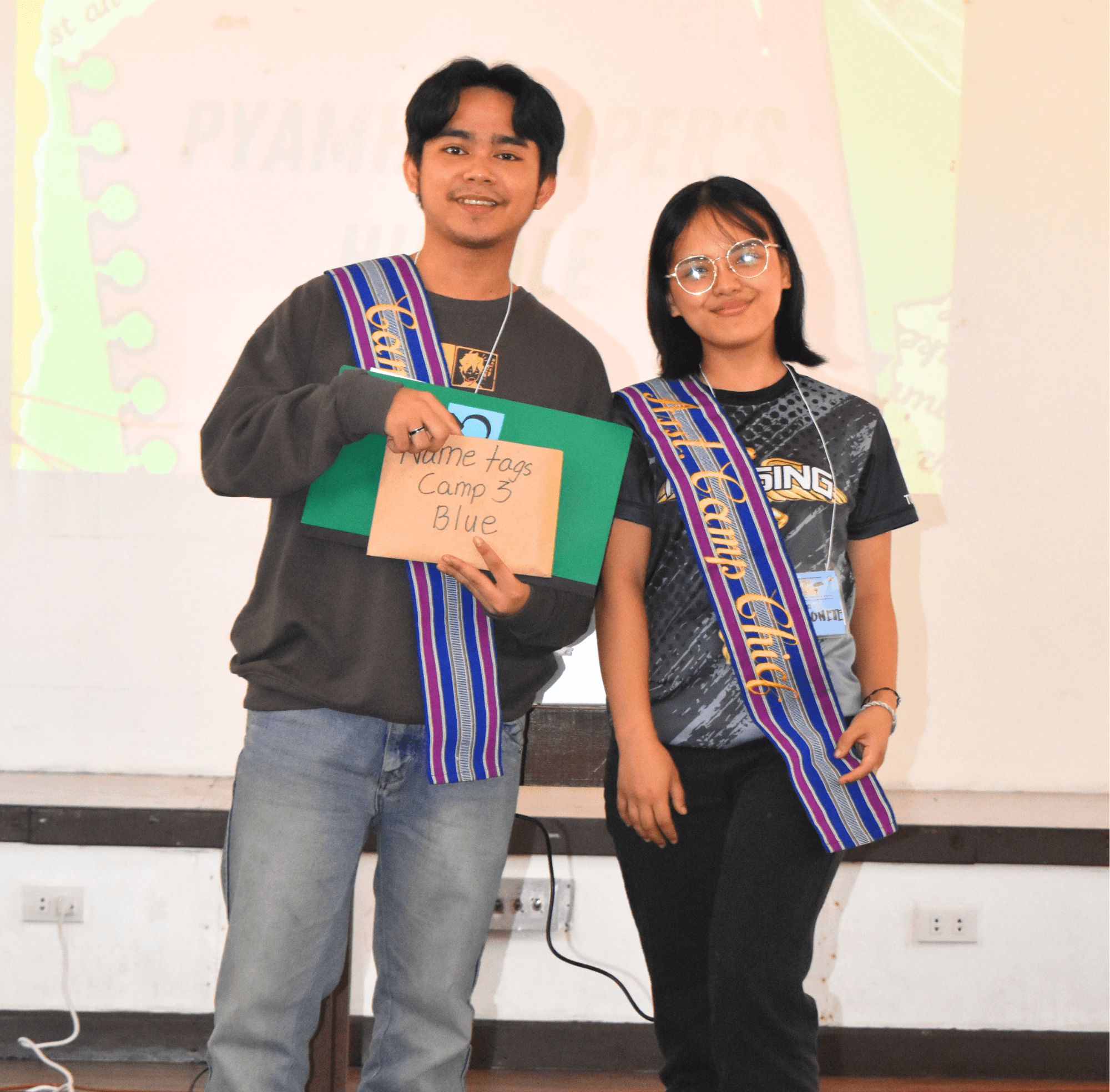
Progressive Youth Association on Mental Health (PYAMH) for college students and Sangguniang Kabataan
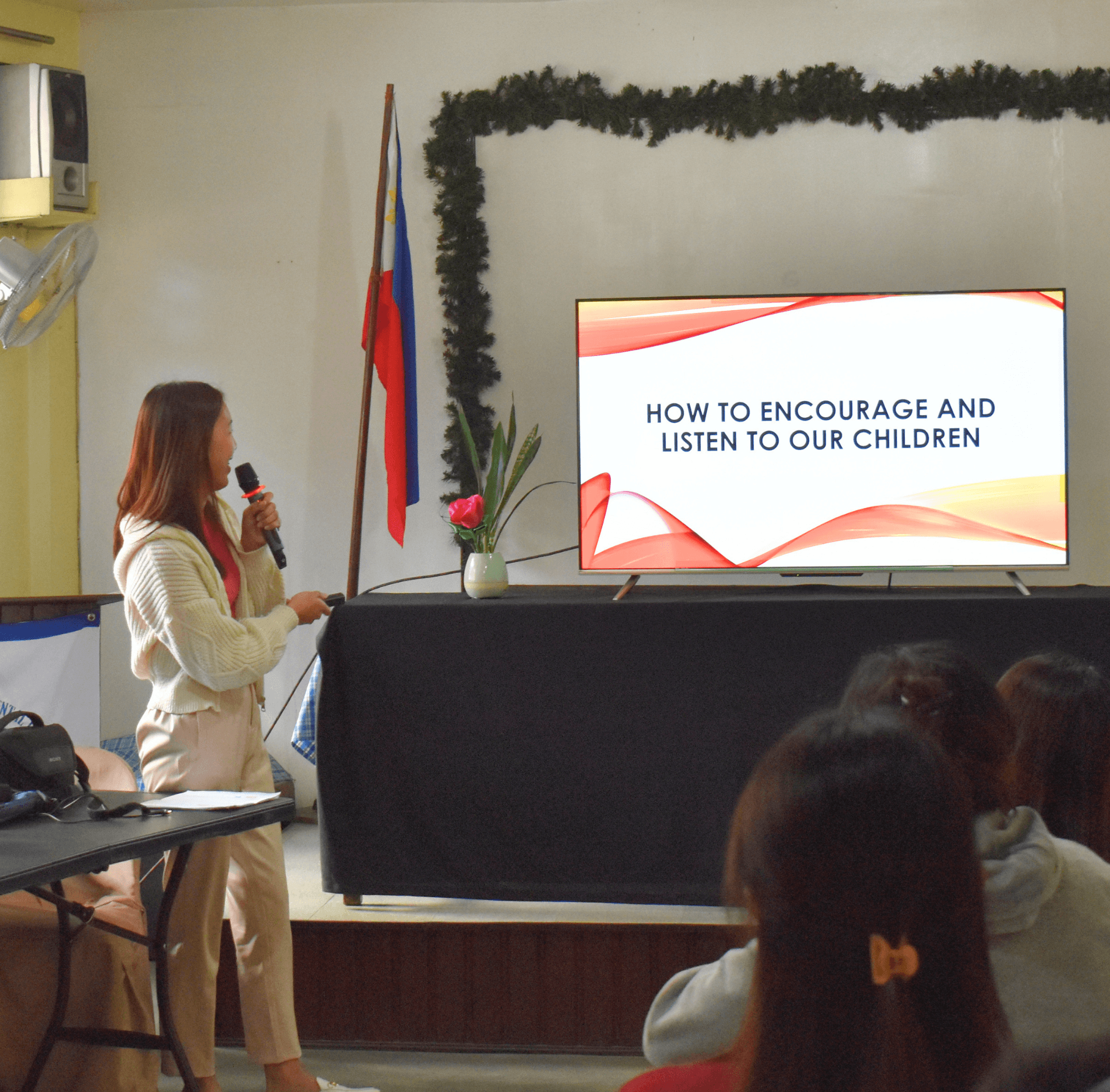
B. Creative Approach to Parenting (CAP)
The Creative Approach to Parenting (CAP) program promotes a more positive and democratic way of raising children by emphasizing mutual respect, understanding, and equality within the family. It provides parents and caregivers with alternative strategies to traditional disciplinary methods, encouraging them to adopt approaches that nurture the emotional and psychological development of their children.
CAP ultimately aims to strengthen family relationships and create a supportive home environment that contributes to the overall mental well-being of both parents and children.
C. Community-Based Mental Health Program (CBMHP)
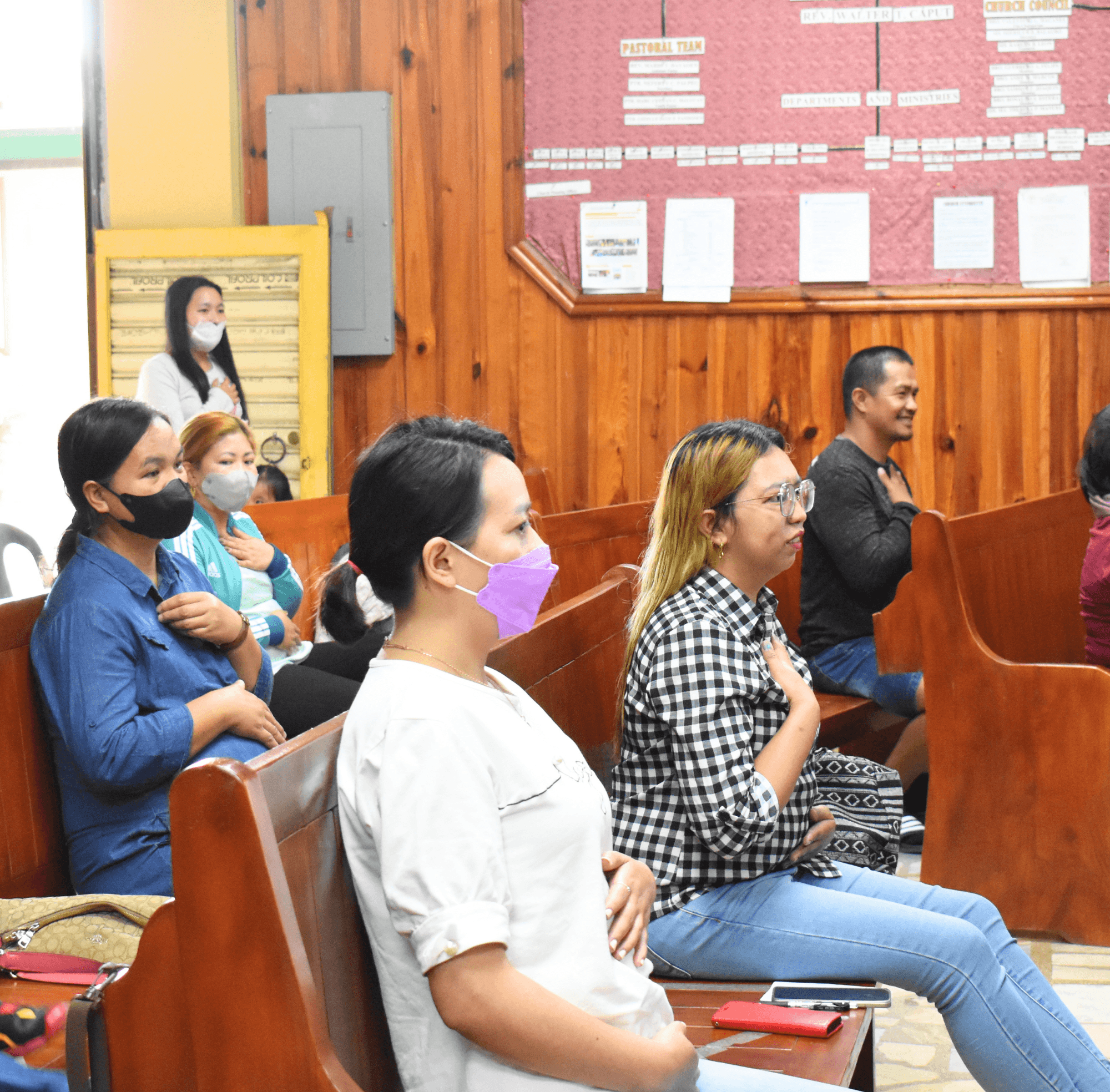
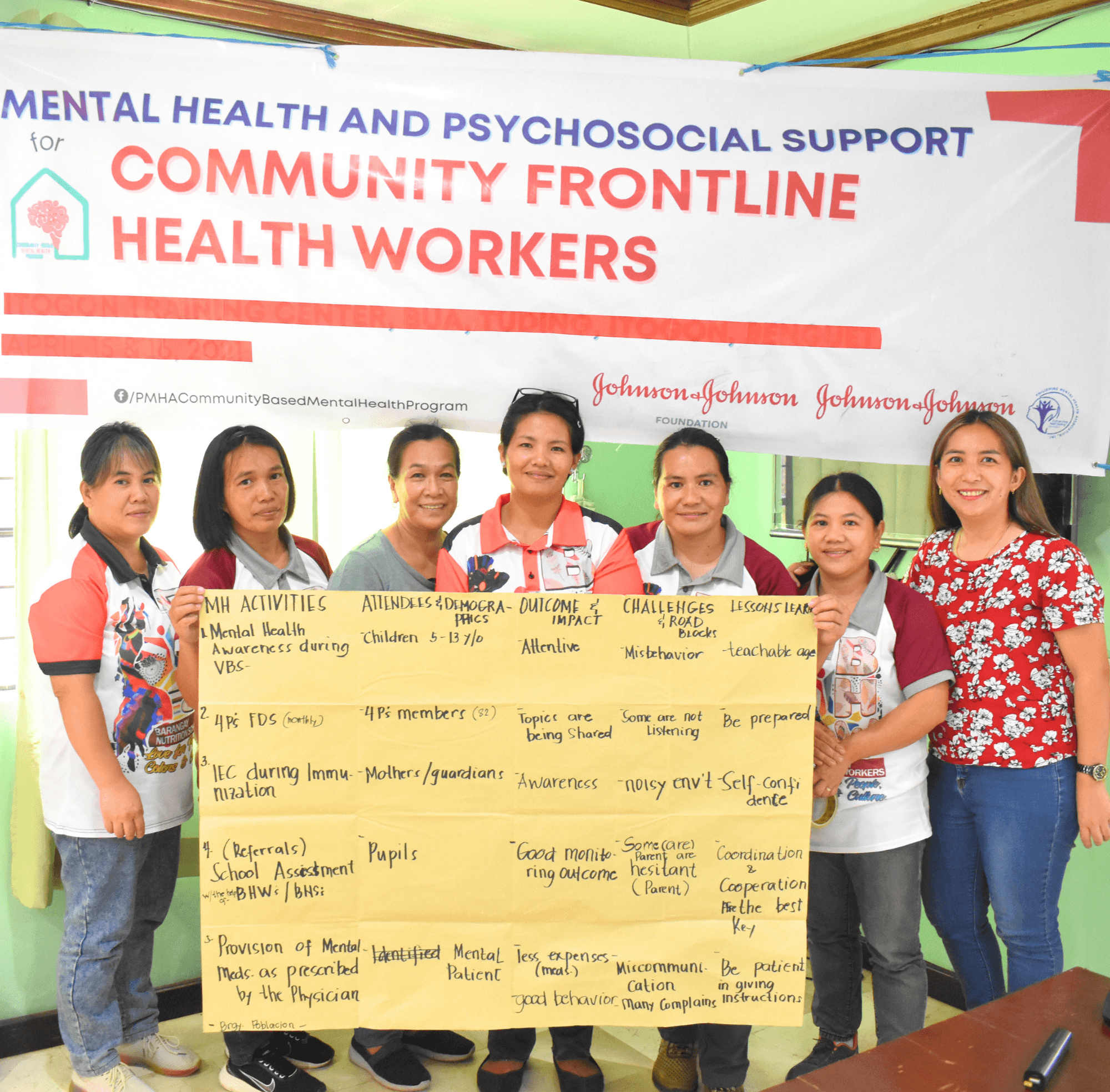
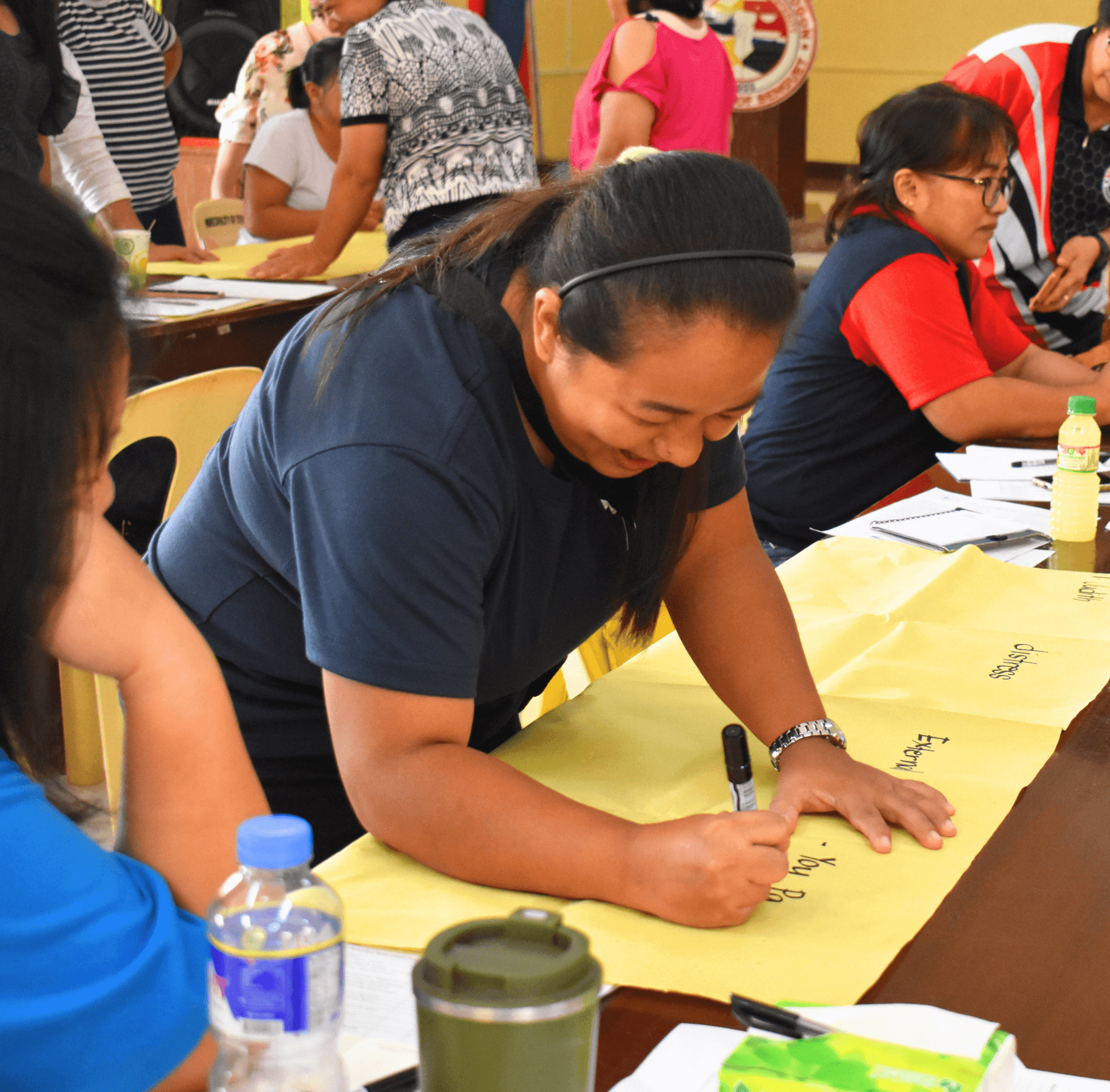
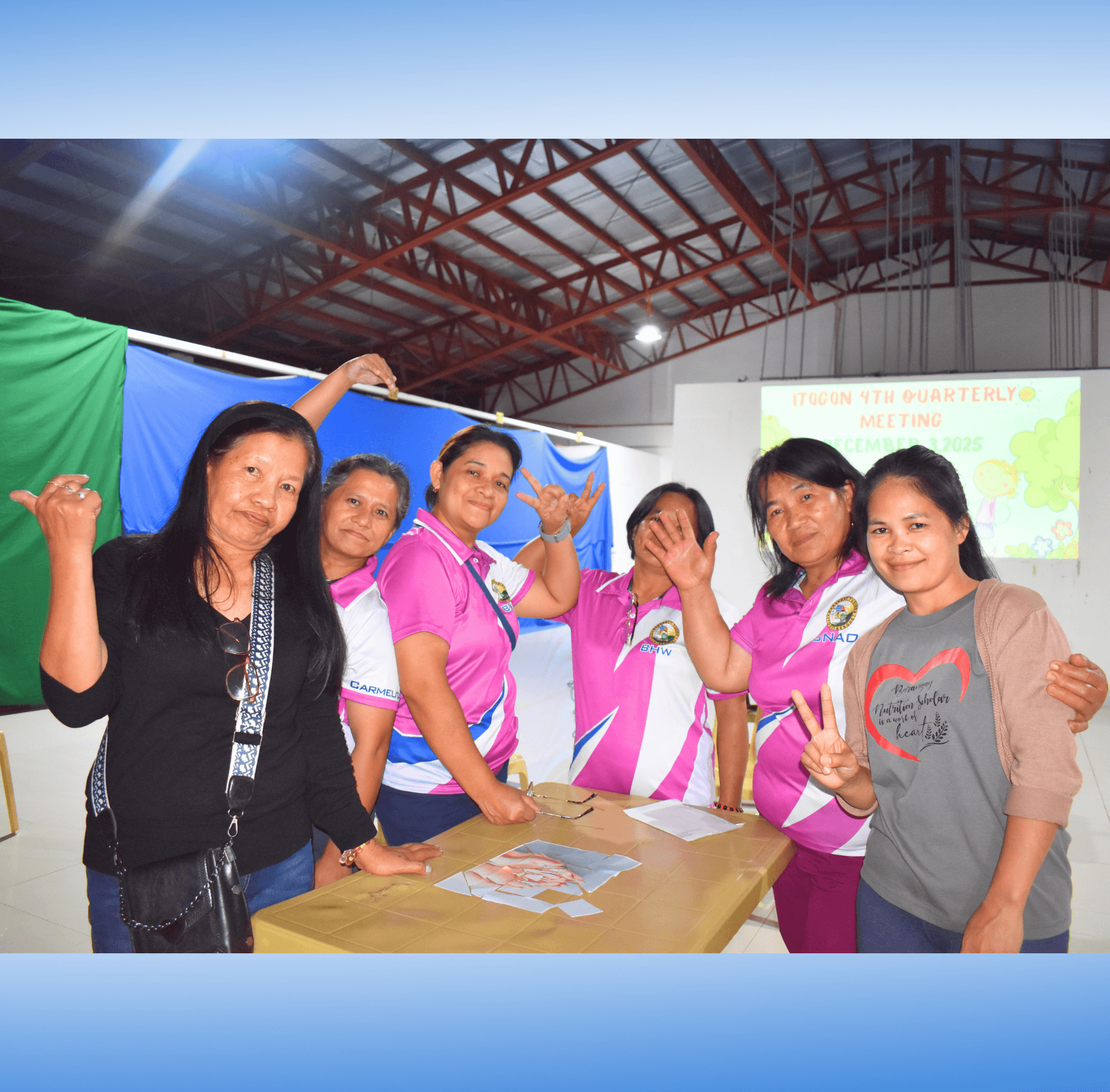
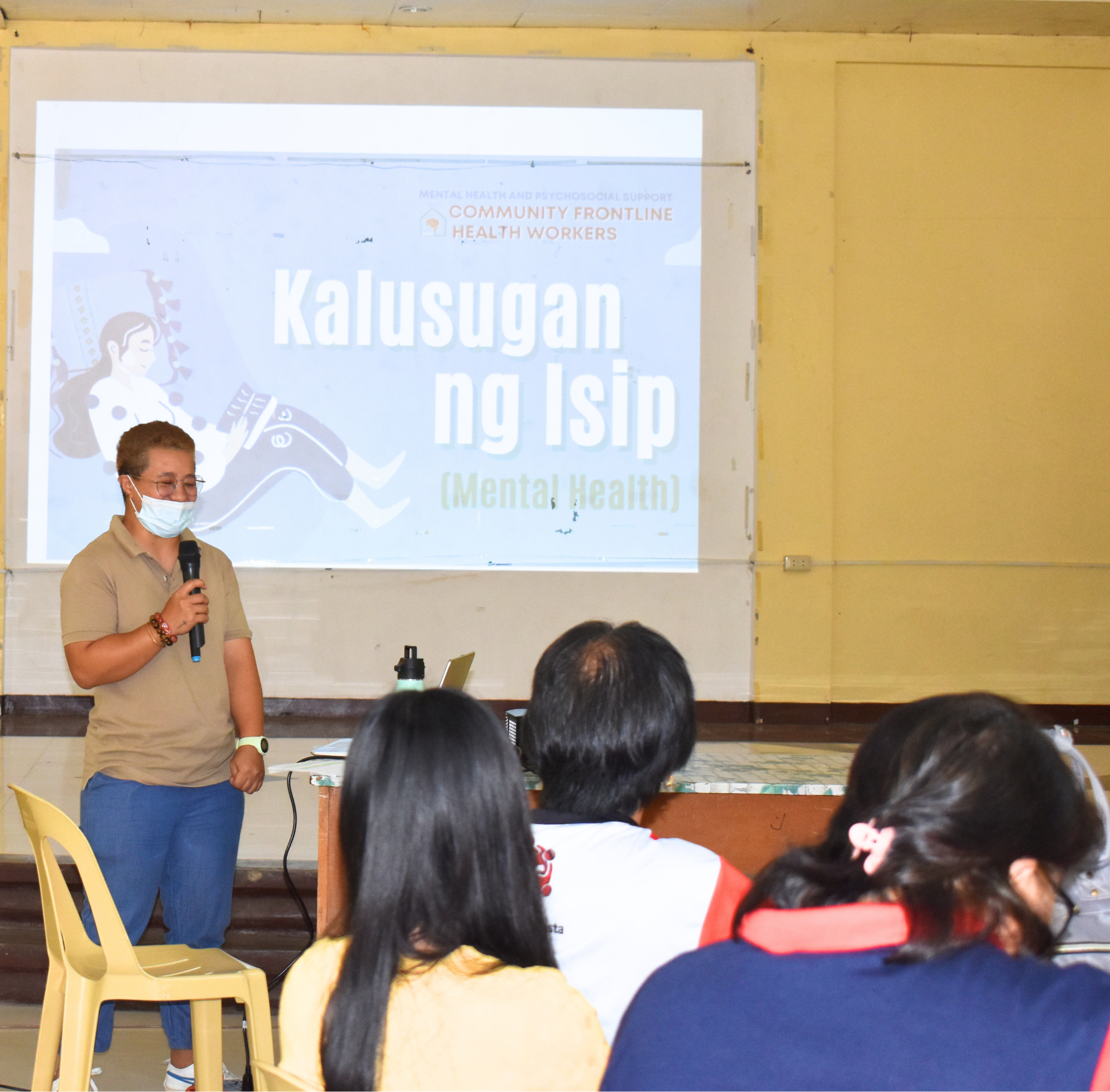
The Community-Based Mental Health Program (CBMHP) brings mental health awareness and services closer to the grassroots by engaging directly with local communities. It makes mental health education accessible through psychoeducation, skills training, and capacity-building for community members and local health workers.
The program also strengthens the ability of barangay health workers and community leaders to identify concerns and provide appropriate support or referrals, helping build a community that is informed, responsive, and supportive of mental health needs.
D. Suicide Prevention Program
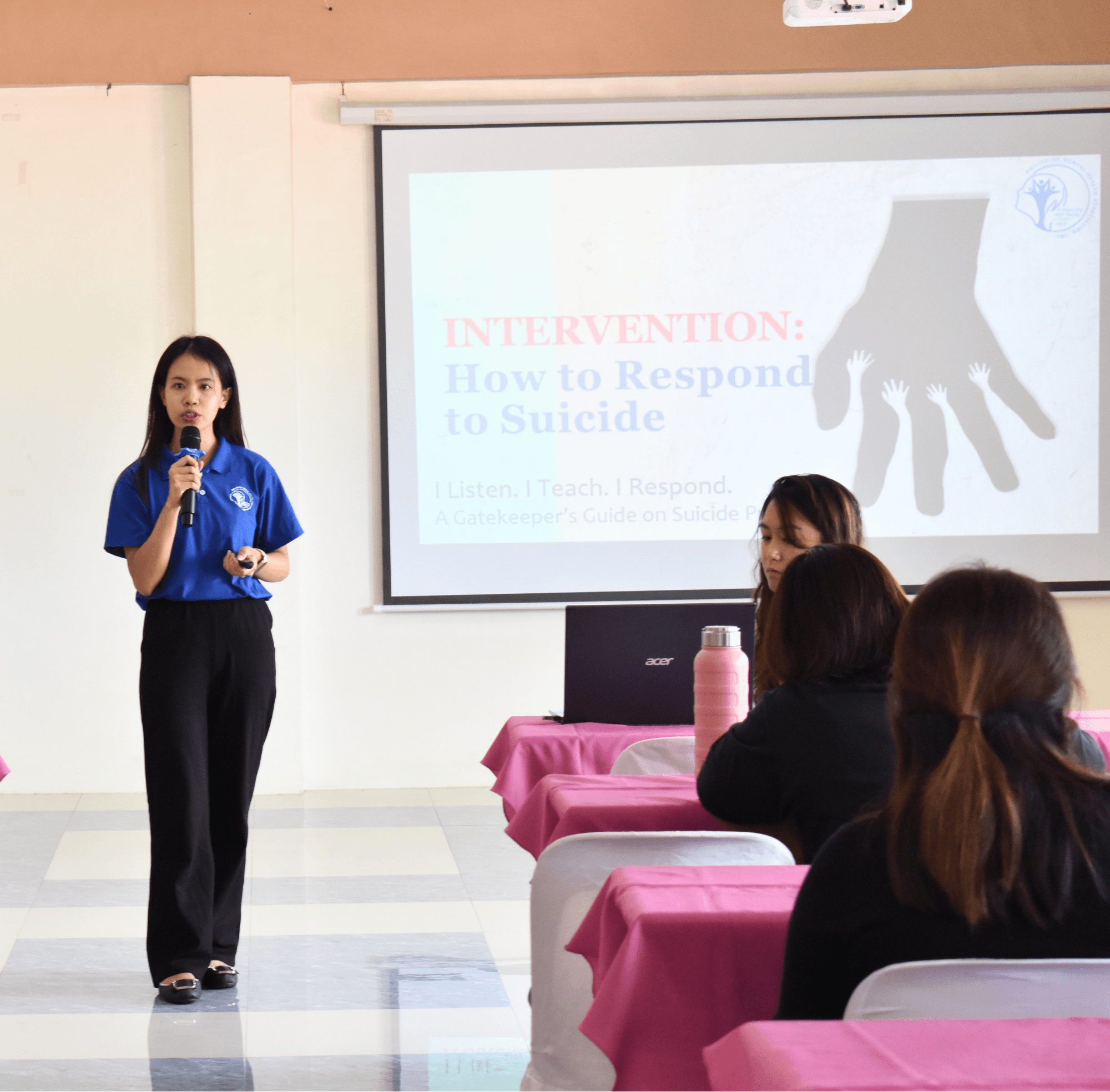
I Listen. I Teach. I Respond. Gatekeeper’s Guide on Suicide Prevention.
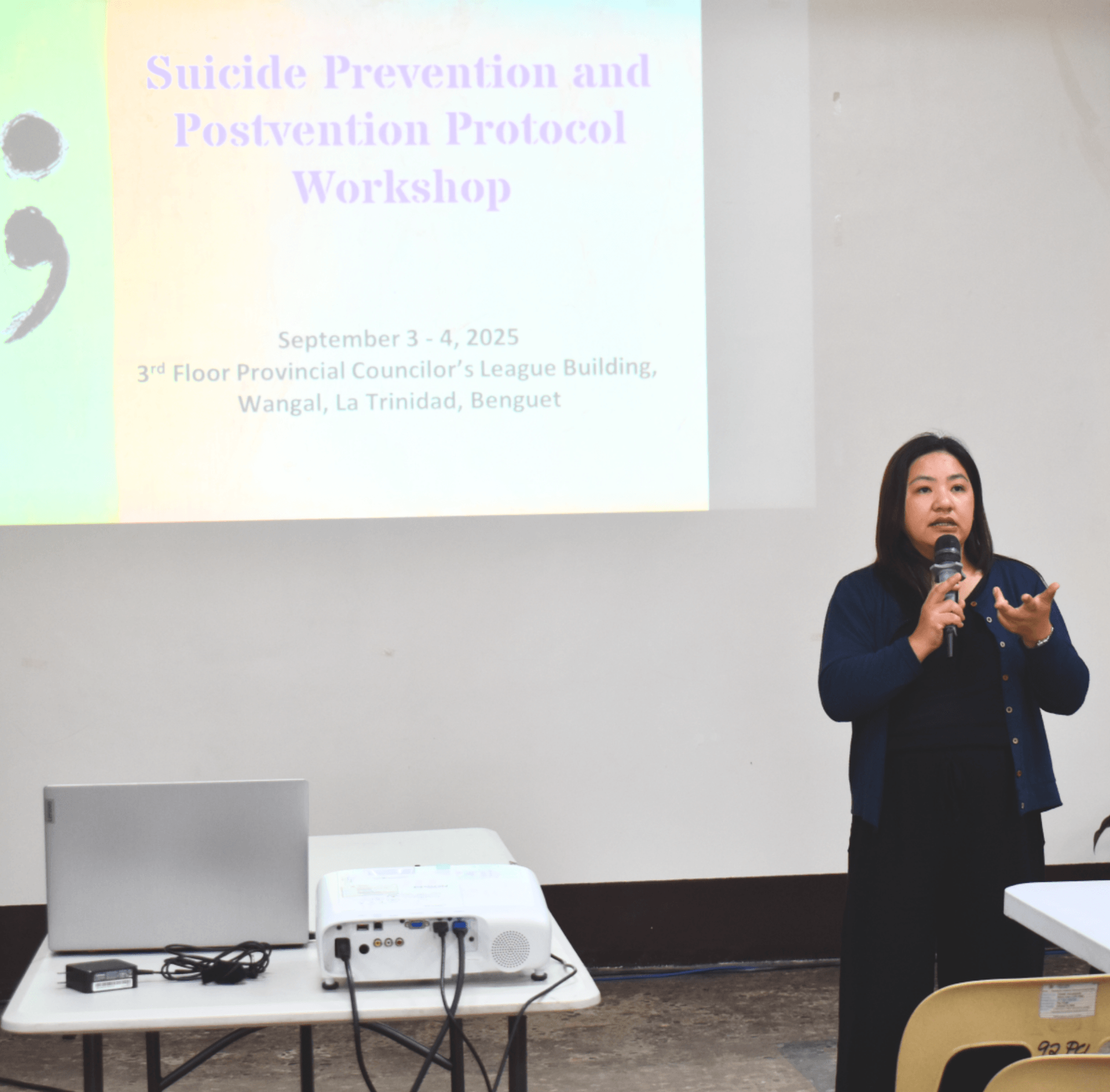
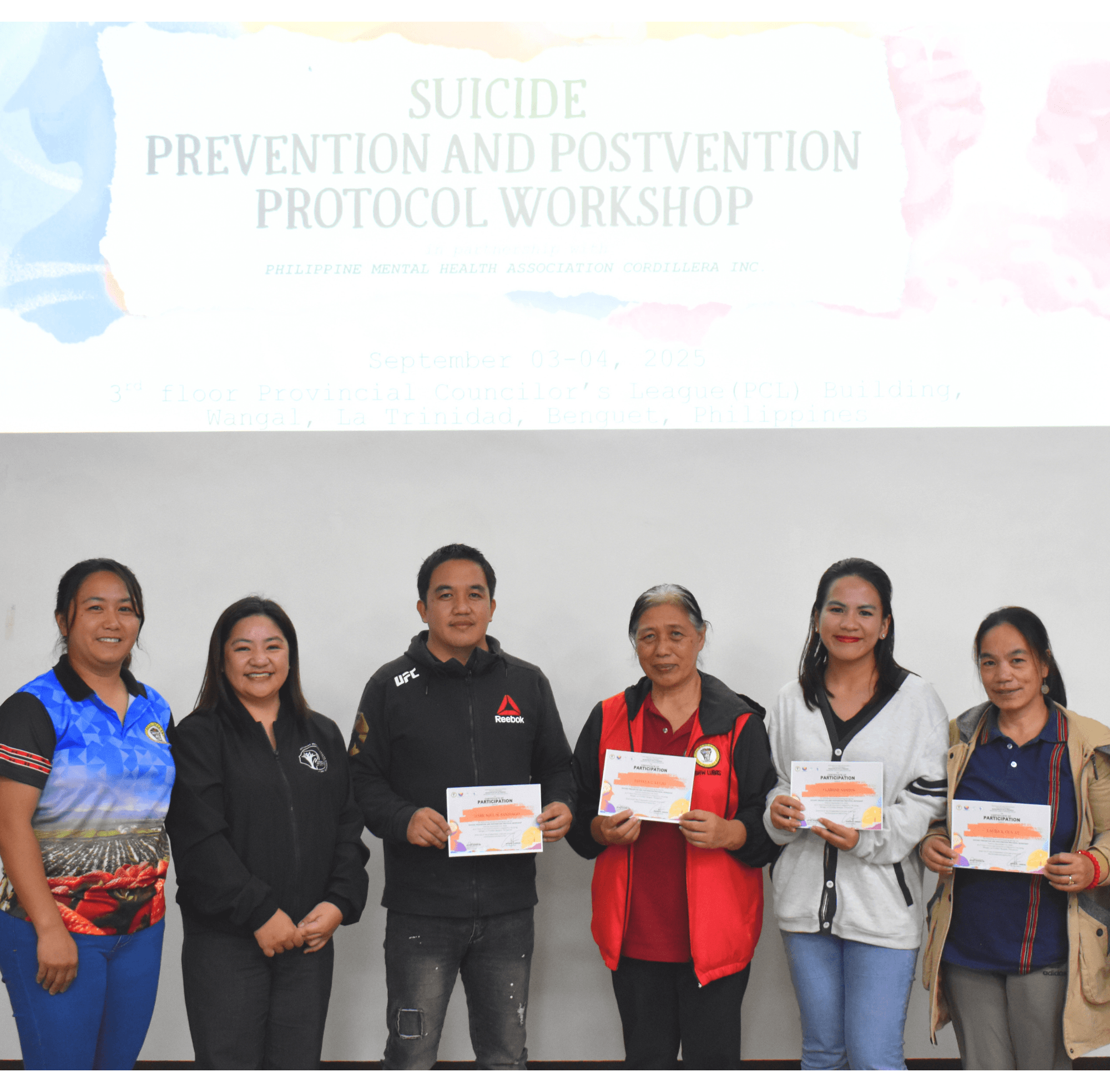
This suicide prevention guide for teachers, other school staff, and community members was developed in response to the increasing number of suicides within the community. Participants are trained to become effective gatekeepers—individuals who can recognize signs of distress, respond appropriately, and refer at-risk persons to professional help when needed.
It contains four lecture topics with discussions and activities geared towards equipping gatekeepers :
This lecture topic aims to give an introduction to the concept of suicide. Here, suicide-related terms will be discussed as well as the overall epidemiology of suicide.
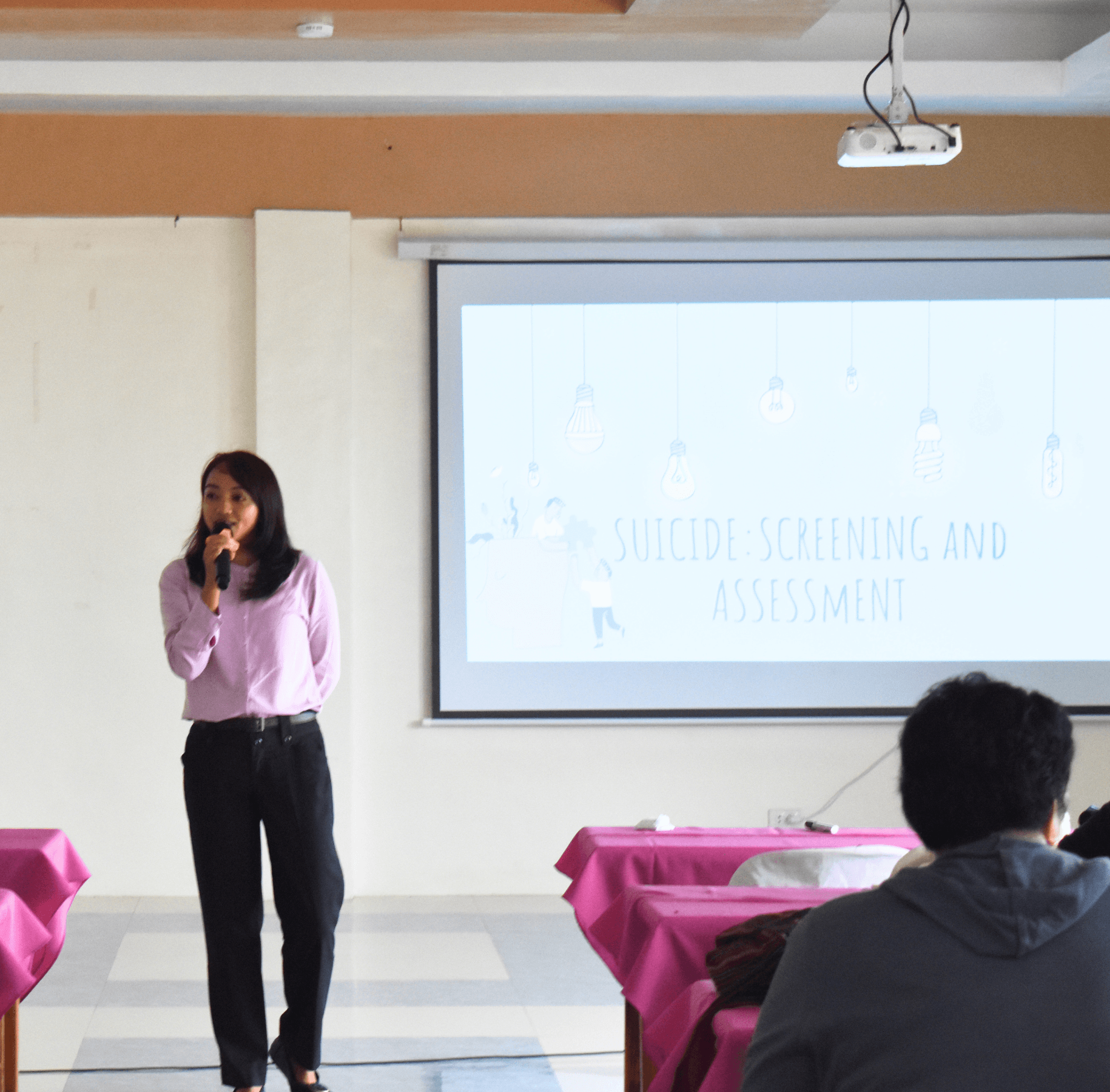
In this lecture topic, participants will be presented with a case study, wherein the warning signs of suicide will be discussed. The recommended measurement tools used in assessing students at risk will also be tackled.
This lecture topic aims to present ways on how gatekeepers can proactively respond to suicide related incidents. Included are the proper and improper ways of communicating with a students at risk of suicide.
This last lecture topic from the overall module focuses on practical methods schools and other related institutions can implement to prevent further deaths by suicide within their community.
Tug of War with Pain A Suicide Prevention Module for Adolescents
This module is intended to be a response to the rising number of youth suicide attempts and suicide fatalities. It covers information on mental health, risk and protective factors, suicide, and suicide prevention, as well as research articles and data.
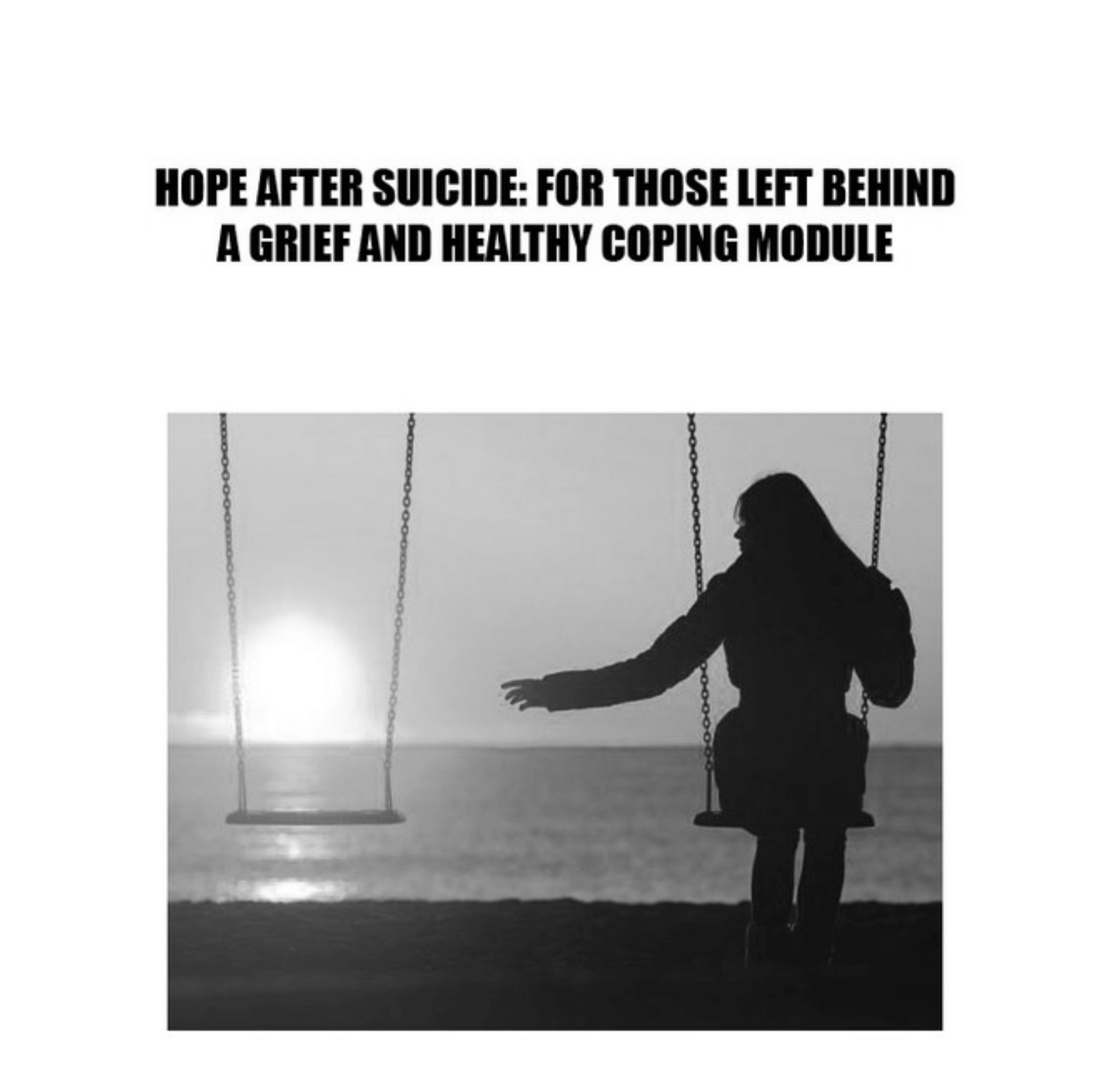
Hope After Suicide for Those Left Behind A Grief and Healthy Coping Module
This module was created to provide insight into the grief experienced by bereaved relatives and friends of persons who have died by suicide. Through coping skills and suitable ways of dealing about death, it is also intended to provide hope and support to those left behind.
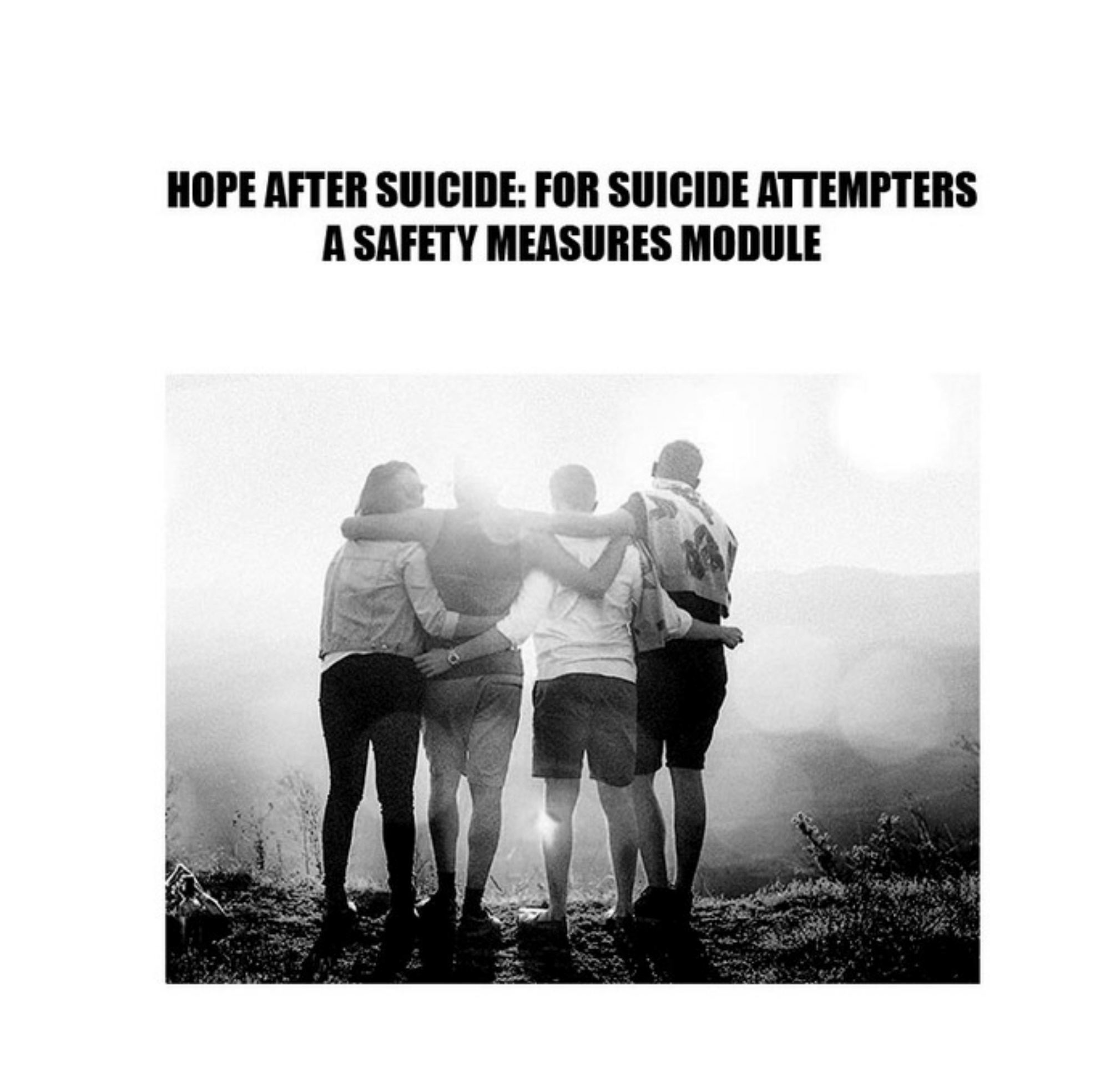
Hope After Suicide: For Suicide Attempters A Safety Measures Module
This module was designed to provide persons who have considered suicide with understanding, guidance, hope, and support, as well as information on how to recover and take care of oneself physically, emotionally, and socially. It’s also meant to aid people who are assisting someone who has attempted suicide
E. Tri-media
Brochures
These brochures are designed to raise awareness, educate people, and encourage positive actions related to mental well-being. A mental health brochure typically includes the meaning of mental health, its importance, common signs of mental health concerns, ways to cope or seek help, and available support services.
Posters
The following are collections of digital and physical mental health posters the Chapter’s staffs and the youth members have created. Feel free to share the following.
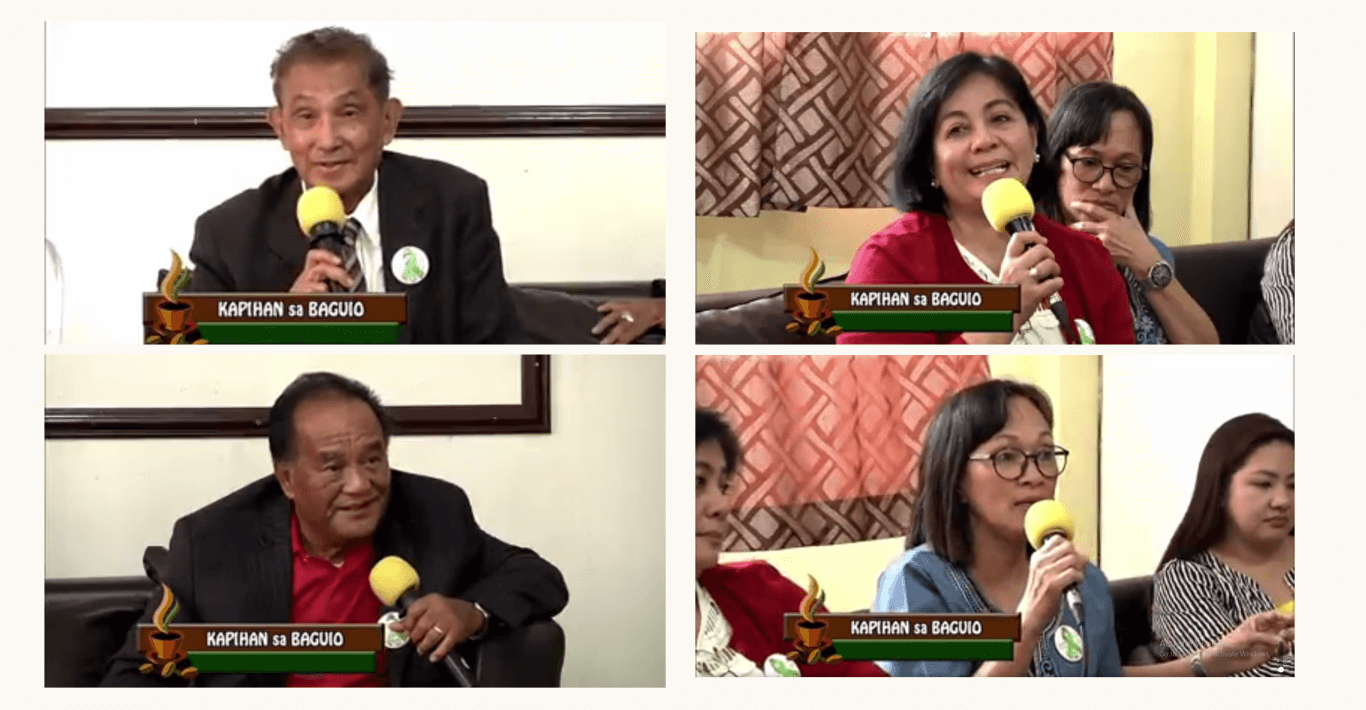
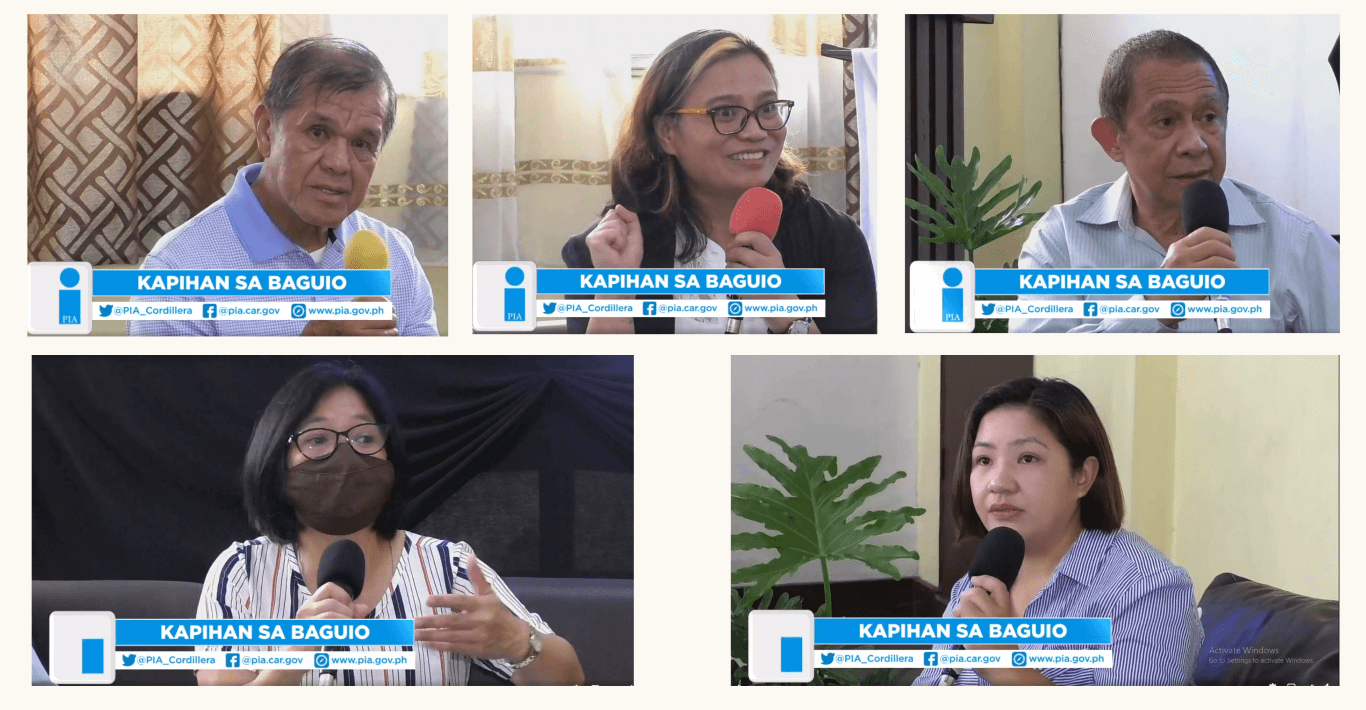
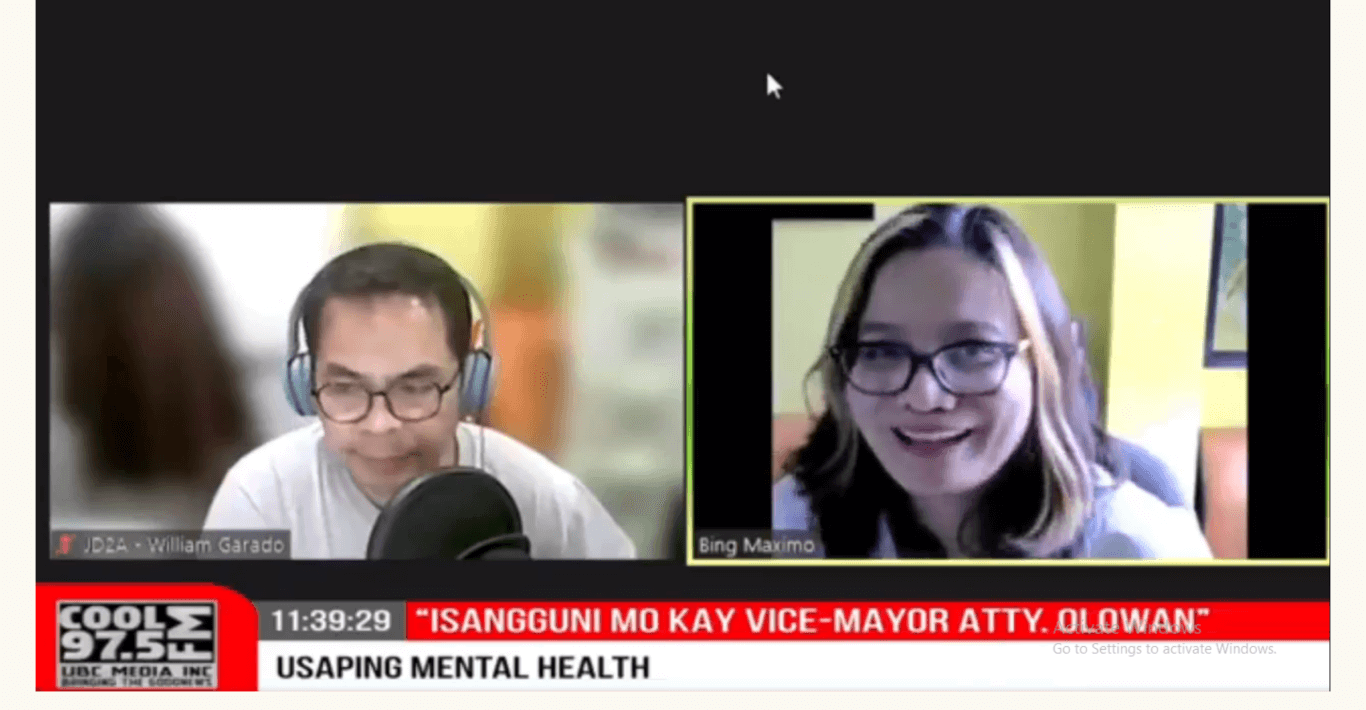
TV/Radio Guesting
PMHA CCI also participates in interviews by trusted TV/ Radio media.
F. Information and Advocacy Activities
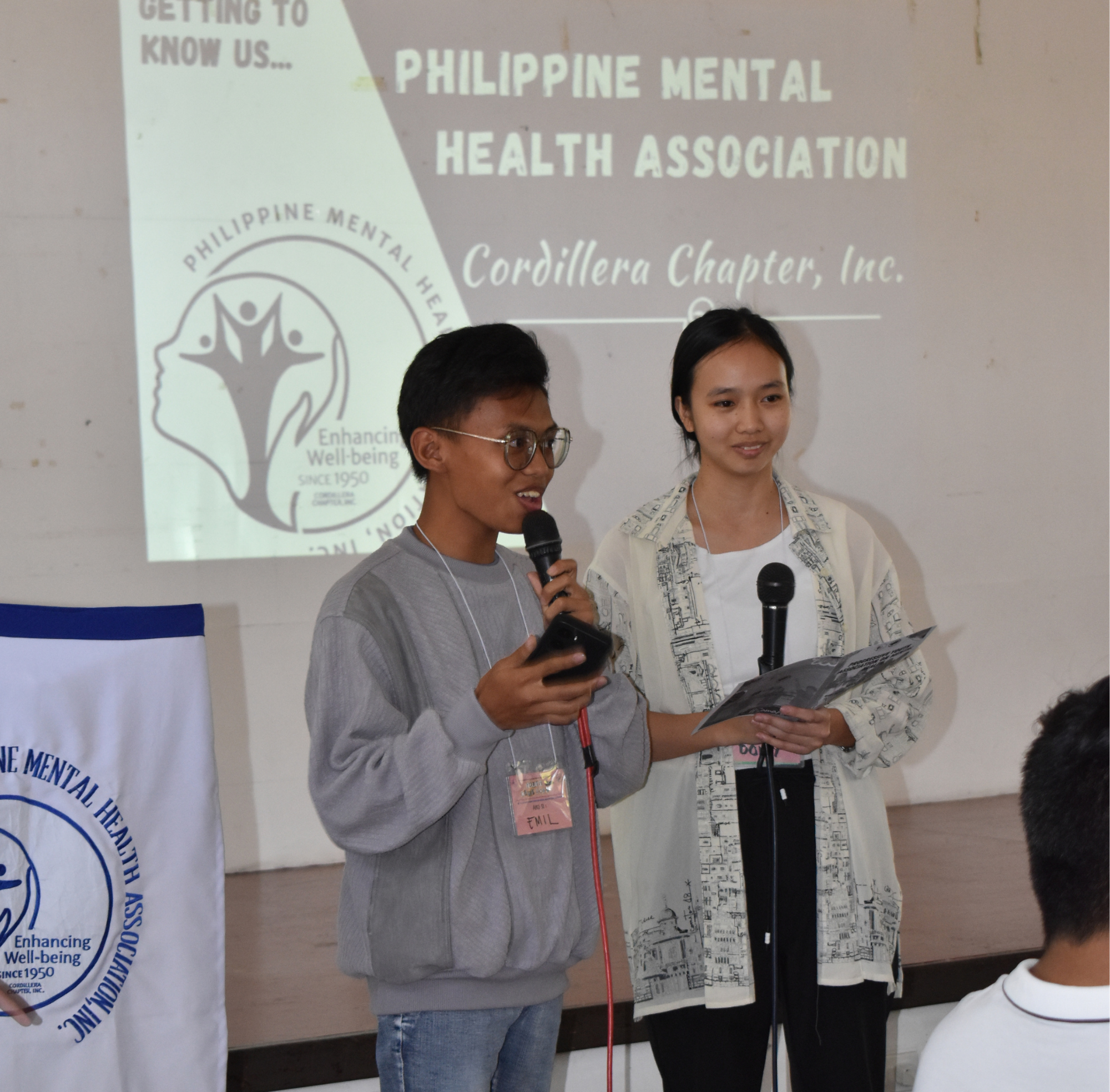
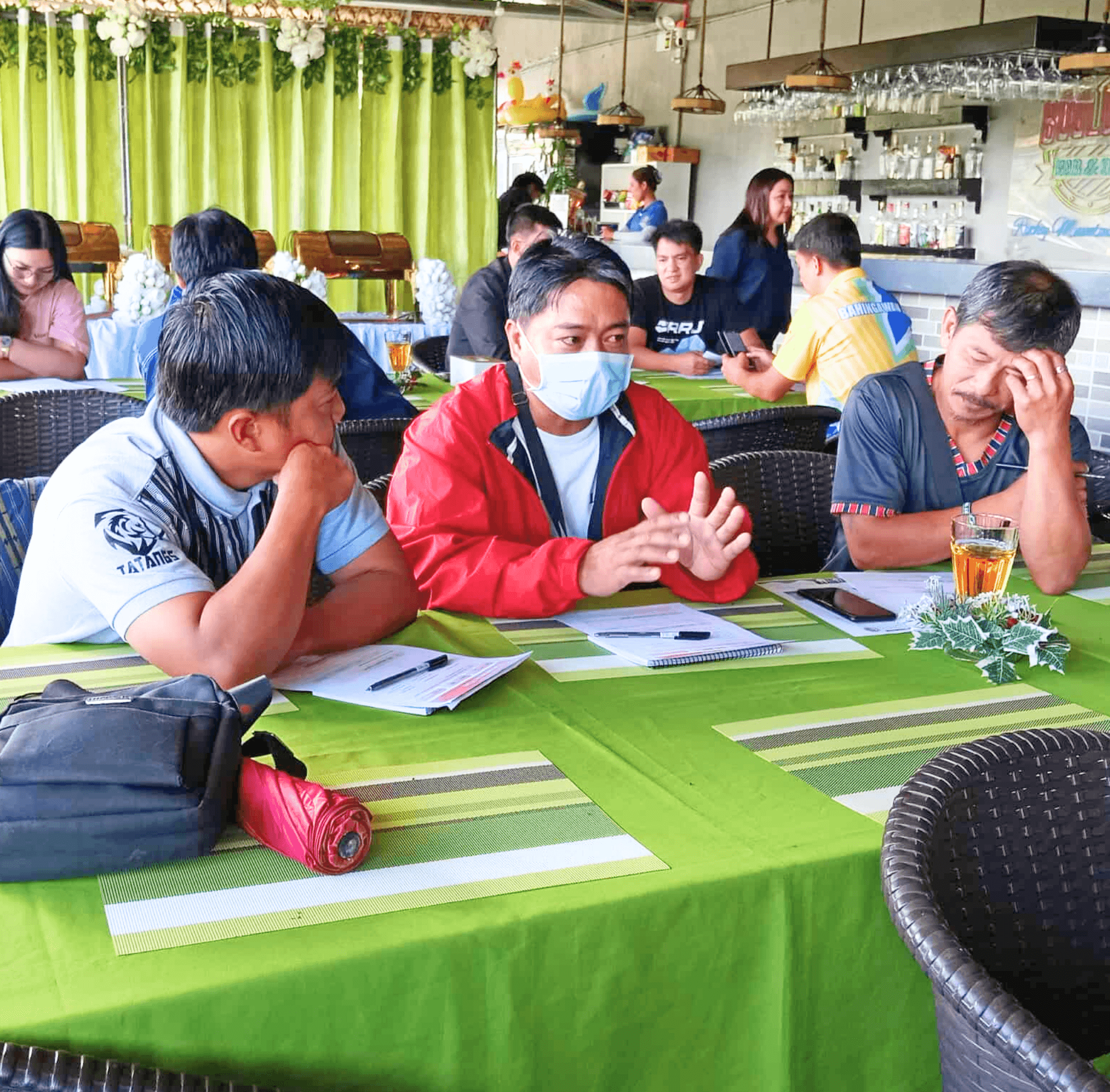
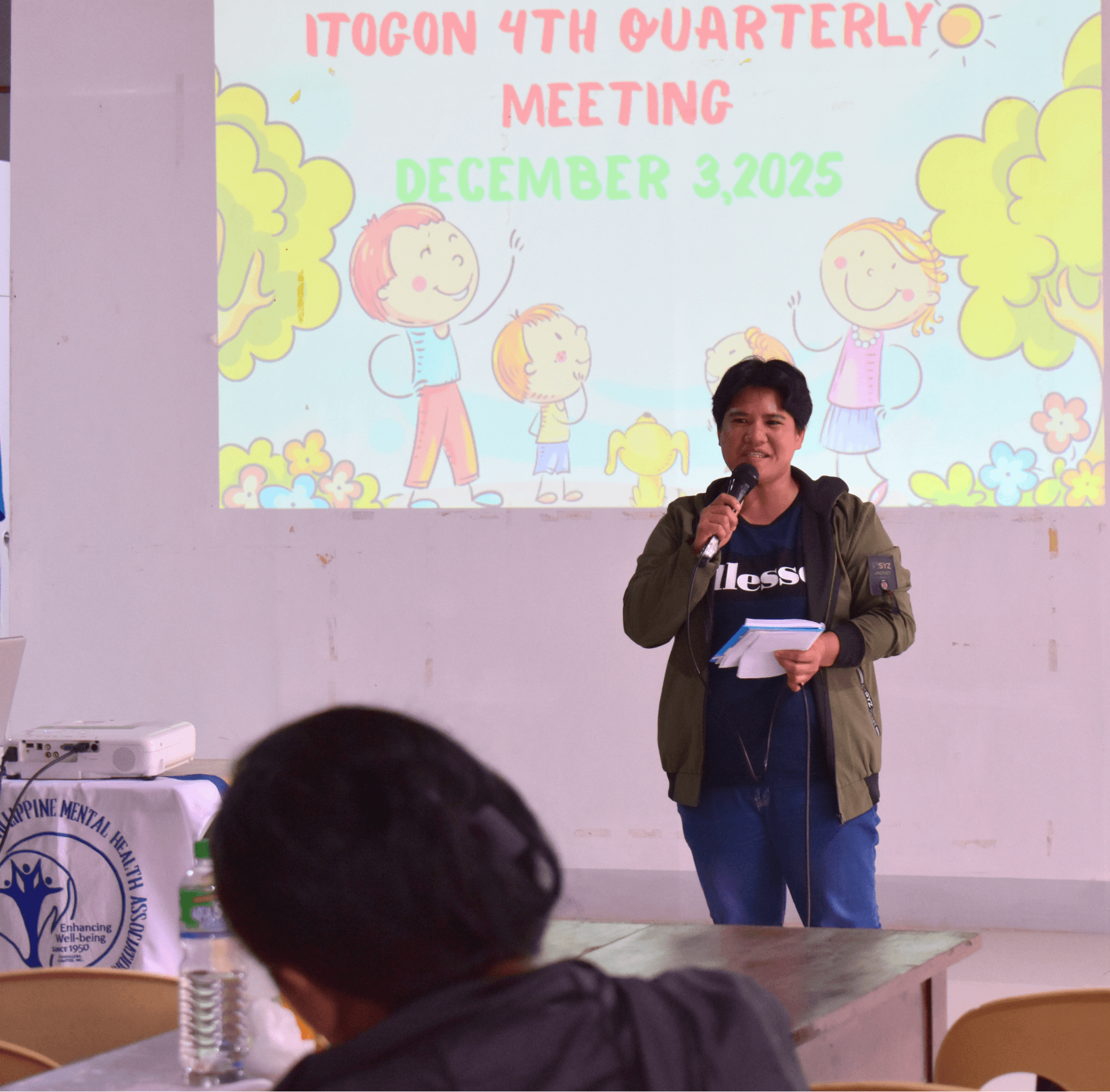
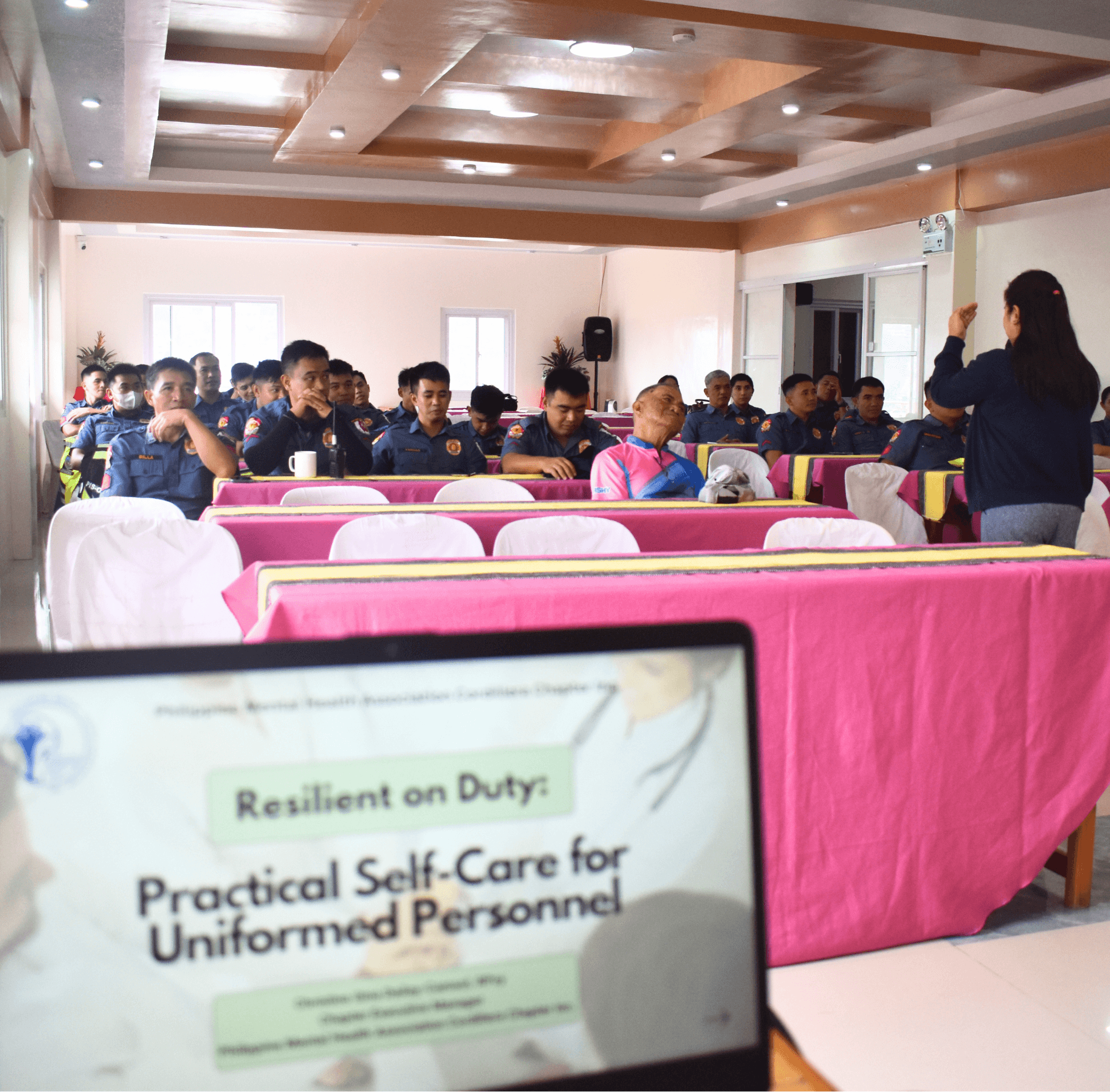
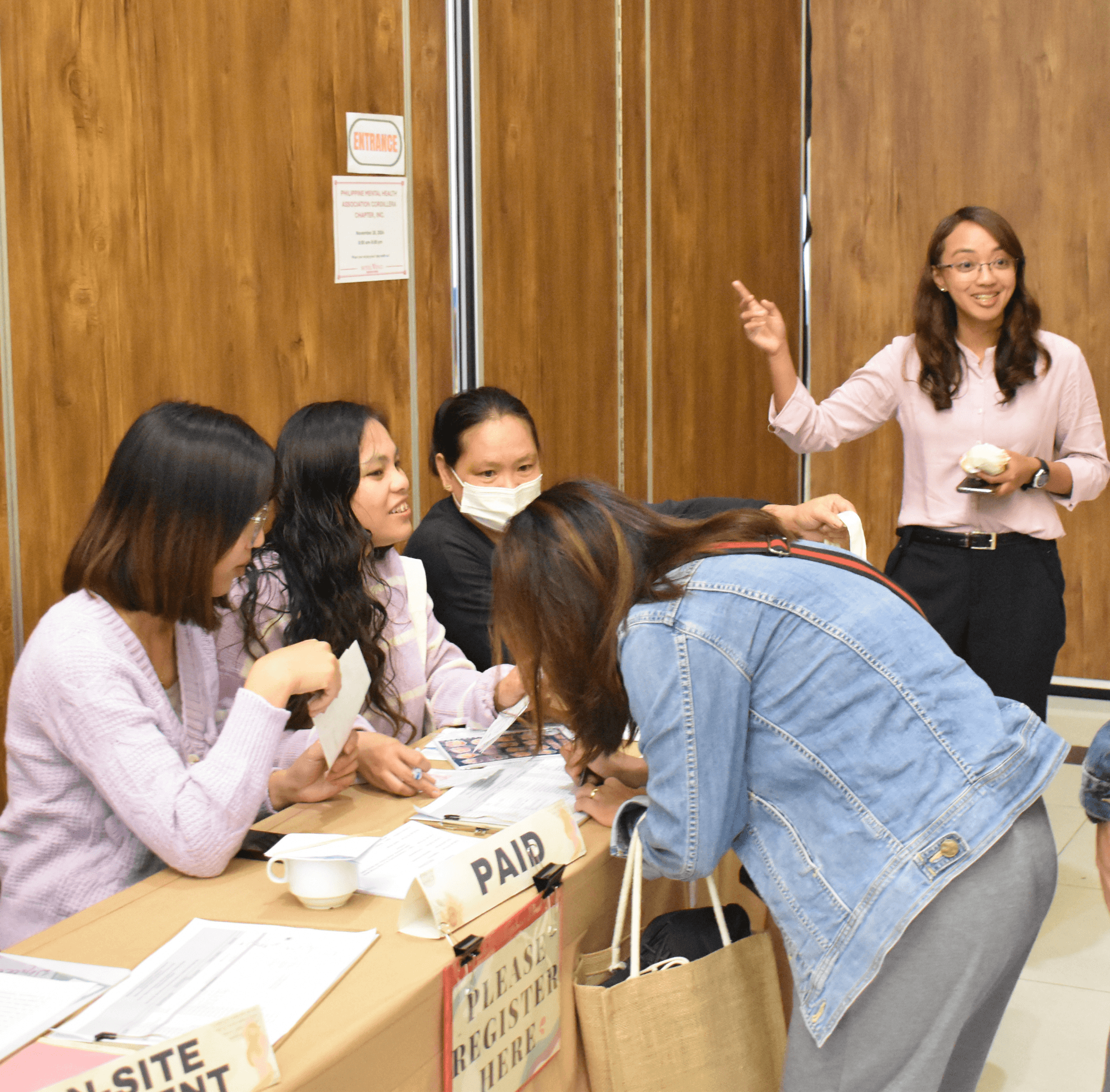
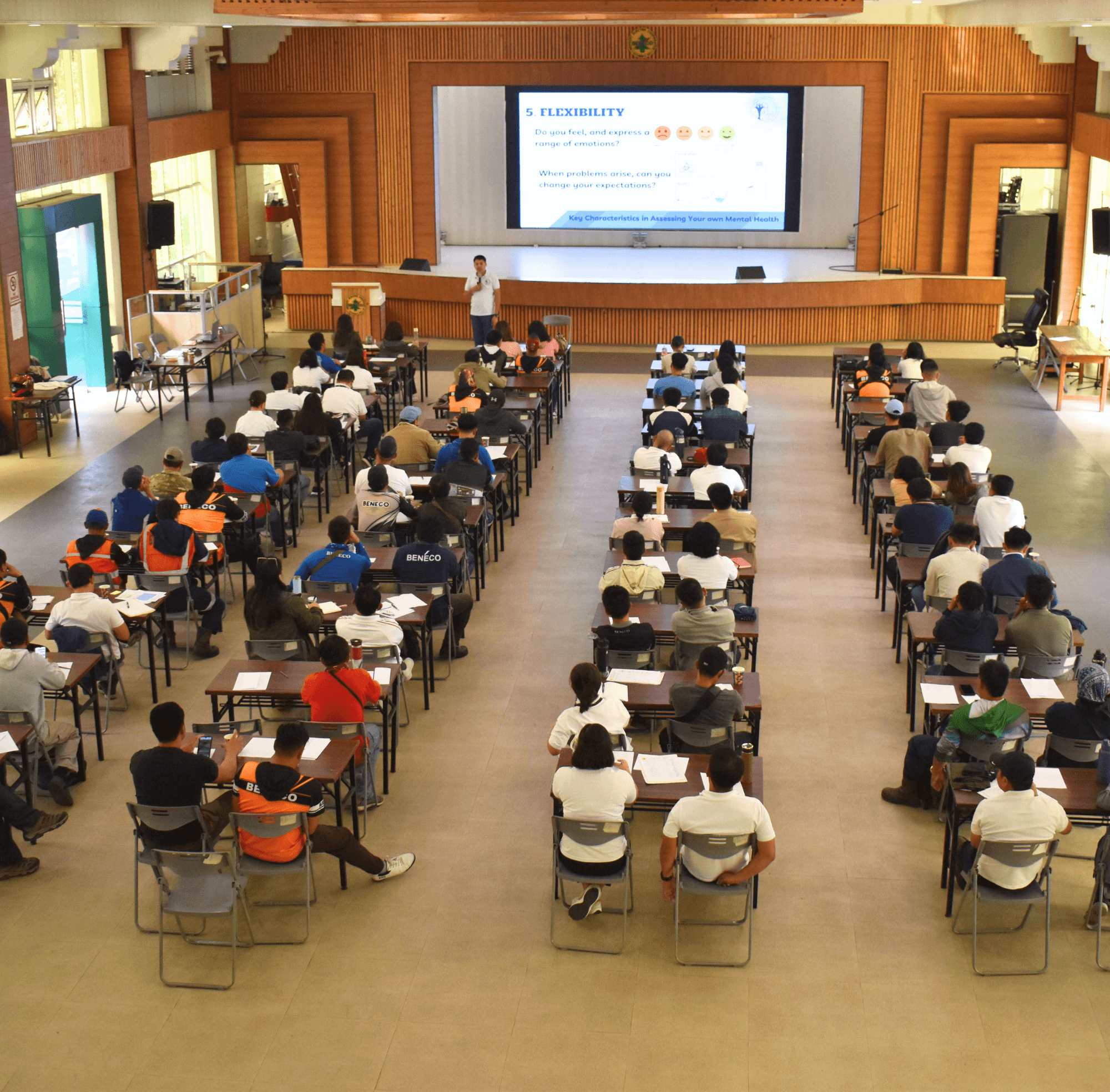
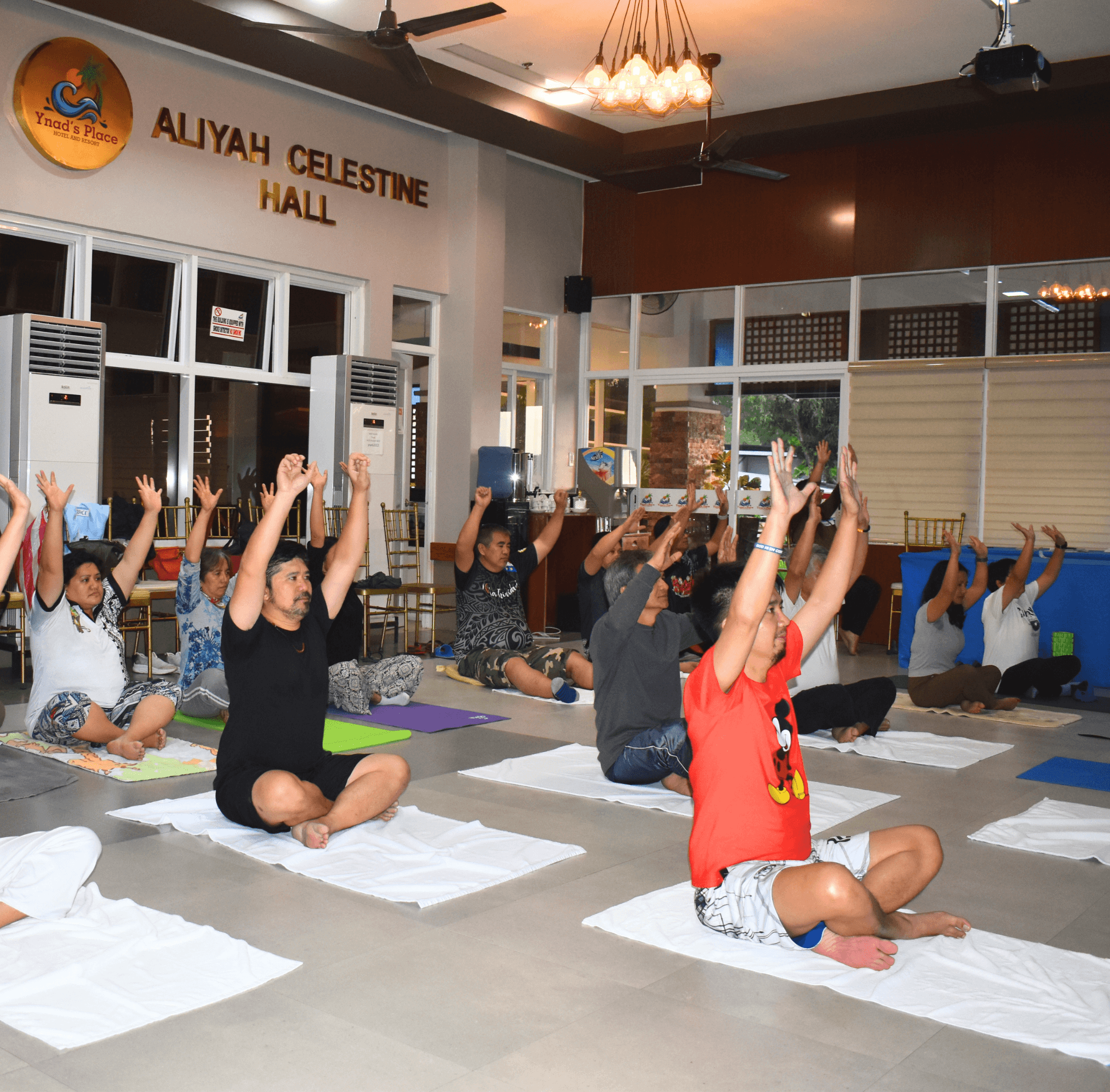
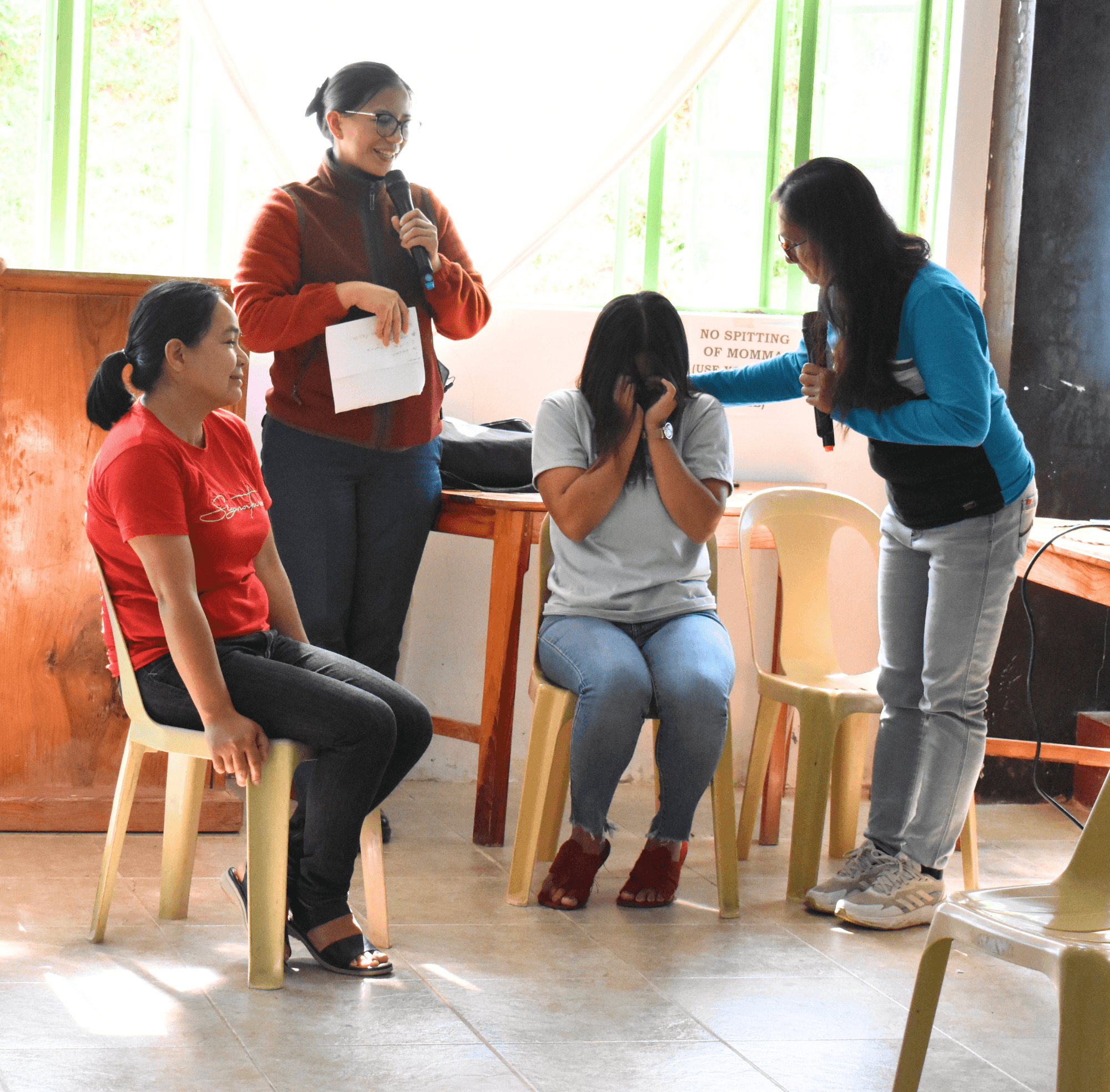
Orientation on Mental Health and PMHA’s advocacy and services Membership Campaign Lecture/ Seminar Workshops, Conferences